

§ WISH I'D KNOWN
Wish I'd Known
The things parents find out too late — and wish someone had told them sooner.
§ 01 學習歷程
Learning Portfolio
How the system actually works, what reviewers look for, and the mistakes that come up most.
-
Please stop telling kids the learning portfolio doesn't matter
Every year after results come out, we get a wave of SOS calls — from top-choice, top-scoring students who stalled because their portfolio was nearly blank. This one is blunt, and we mean it.
Originally published March 2023 -
Five principles for a learning portfolio
The new portfolio system gets a lot of criticism, but its intent isn't bad. Once you settle down and grasp a few essentials, it's nowhere near as hard as it looks.
Originally published July 2022 -
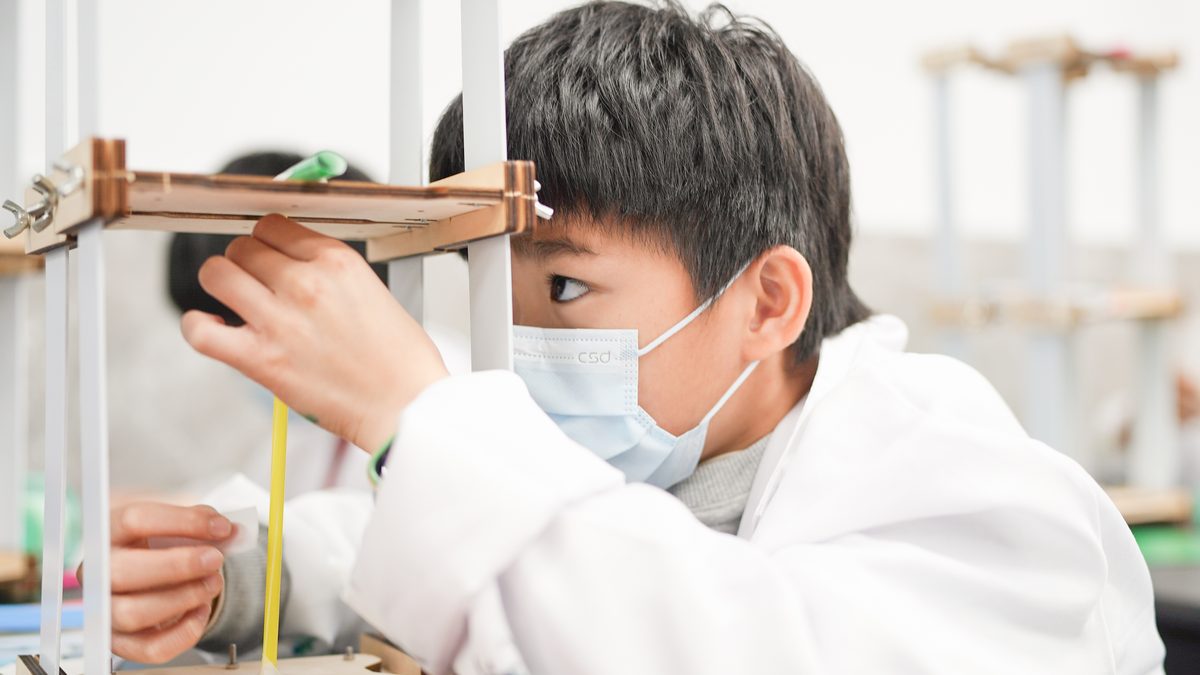
Your practical-work piece: what professors actually want to see
Many university departments consider a 'practical-work piece' at application. But most submissions look alike. Understand what a professor wants from it, and you'll know what to prepare.
Originally published June 2022 -
The learning portfolio, explained
University admissions stopped being 'prepare after the exams' long ago. The learning portfolio pushes the work all the way back to the first year of senior high — sometimes earlier. It's an information game, and the families who understand the system first get the head start.
Originally published June 2022 -
Four common mistakes in a learning portfolio
After editing a great many learning portfolios with students, we keep seeing the same mistakes. Most aren't the child's fault — no one told them what to watch for first.
Originally published February 2021 -
Reviewers read the process, not the milestones
Too many students turn the learning portfolio into a list of prizes. But what actually shapes the impression is how you thought and adjusted — not what place you came.
Originally published January 2021
§ 02 資優與科學班
Gifted & Science Classes
Gifted-program assessments and science-class selection — what is tested, when to start, how to prepare.
-
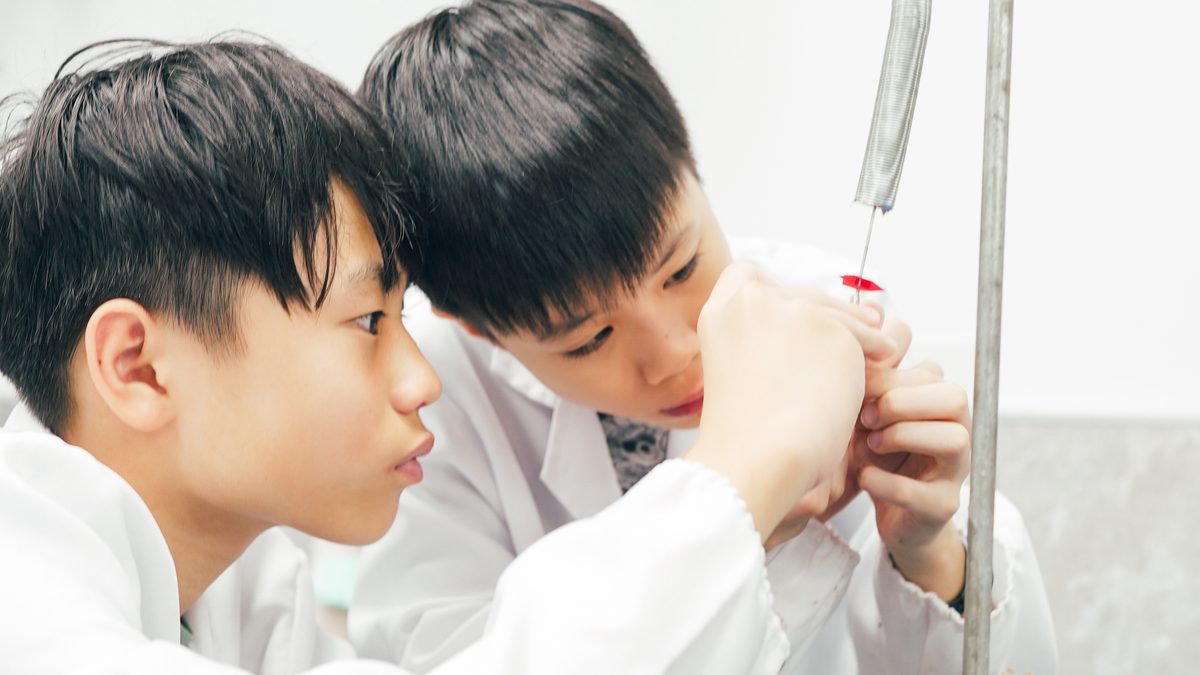
Preparing for the Jiansing gifted program: why fourth grade is the start
No syllabus is published for the science section of the Jiansing gifted assessment, and no past papers are released. But answering it takes understanding that runs well past the elementary textbook — a long race you have to start early, and we think the starting line sits around fourth grade.
Originally published May 2024 -

The legendary class: inside Tainan First's science-class entrance
Tainan First Senior High's science class is the summit for the city's most driven science kids. How you get in, what it tests, and what life looks like once you're there — the whole path, laid out.
Originally published June 2022
§ 03 科展
Science Fair
Whether a science fair is worth it, which children suit it, and why we never publish results lists.
-
When a child is told "you couldn't have done this"
In the oral defence at a science competition, the more completely a child explains their research, the more likely they are to be met with doubt rather than curiosity. The pattern has causes, and the judges aren't simply to blame — but the cost lands almost entirely on the most committed students. And there is something that can be prepared for in advance, starting far earlier than most people do.
Originally published April 2025 -
Why science fairs matter, which kids they suit — and why we never publish a winners' list
A science fair isn't a box to tick — it's a full course in rigorous research. Why admissions weighs it so heavily, which children it actually suits, and one thing we've held to since day one: we never publish a winners' list.
Originally published March 2023 -
Ten questions parents ask about science fairs
What age can they start? Can you team up across schools? Is it expensive? The ten questions parents ask us most about science fairs, answered in one place.
Originally published March 2023 -
What a child needs to be able to do before the research starts
What actually stalls a science-fair or research project is rarely the science. It sits further back: whether a child can look things up unaided, whether they can use a spreadsheet, whether a sentence holds together logically. Here is the list we think has to be filled in first.
Originally published January 2023
§ 04 數學
Math
When maths stalls, the problem is rarely ability — it is habits, and reading the question.
-
What if they can't even set up the equation? The problem usually isn't maths — it's reading the question
"Can't read the question" is rarely just weak reading. It's being unable to turn words into a picture. Without the picture, the question is a string of unfamiliar symbols. Get them comfortable with text first, then build the picture, and only then drill the reasoning — in that order, or it stalls.
Originally published December 2024 -
Is my child really that bad at maths? First check whether they're writing anything down
For most children who stall in maths, the problem isn't understanding — it's rushing through mental arithmetic and skipping steps. With no working on the page, mistakes can't be found and checking is hopeless. Writing it out looks slower. It is the fastest route there is.
Originally published November 2024 -
Before you add more tutoring, run these three diagnostic steps
Two maths tutoring centres a week and the marks still falling usually doesn't mean not enough tutoring — it means the wrong thing is being topped up. Here are the three diagnostic steps we use, and one thing that rarely gets said out loud: question sense can't be bought, only practised.
Originally published September 2018
§ 05 教養
Parenting
Notes for parents on helping a child grow the capacity to learn.
-

Choosing a science class for your child: seven things you can check on the spot
Tainan has more children's science programmes every year. The real question parents ask is how to tell which ones actually do science. Here are seven things you can verify in person — equipment, hands-on time, staff ratio, curriculum structure, safety, transparent rules, and whether the photos are real.
-
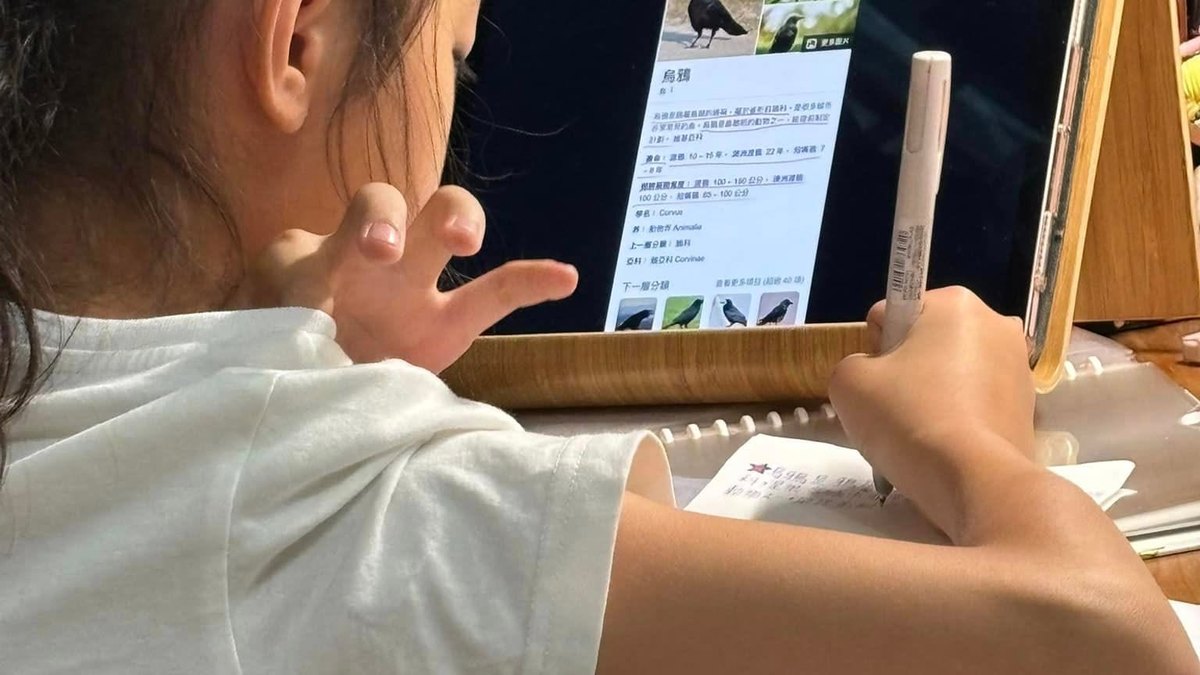
Why gifted kids have so much free time
After years of teaching, we've noticed something counter-intuitive: the children who go furthest usually have more empty time, not less. The trick isn't filling it — it's leaving it blank.
Originally published March 2024 -
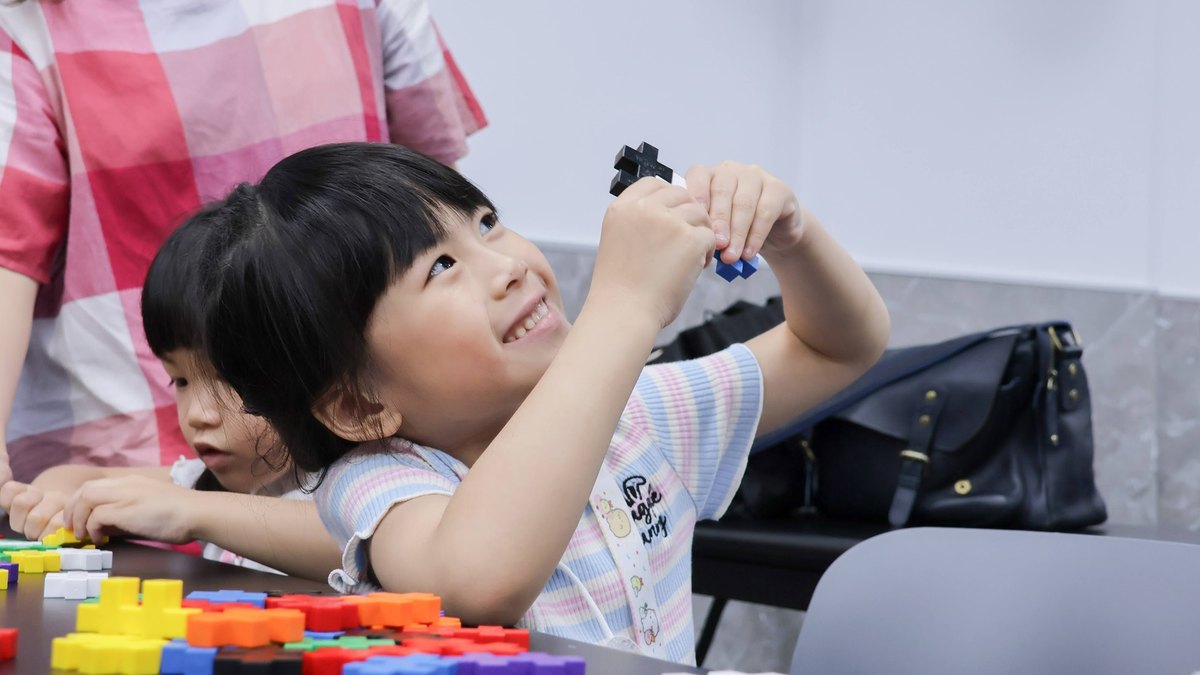
What makes a STEM toy different?
The biggest difference between a STEM toy and an ordinary one is that there's no fixed way to play and no fixed outcome. Which is exactly why a child never tires of it — and quietly picks up an engineer's way of thinking.
Originally published August 2023 -
Before you choose an English teacher, ask how they handle grammar
Speaking a language and teaching it are two different professions. We've met junior-high students who've studied English for years, speak it comfortably, and still can't explain tense or agreement. The gap is rarely vocabulary — it's that nobody treated grammar as something that has to be taught.
Originally published September 2018 -
They read plenty — and still haven't met the Feast at Hong Gate: the allusion gap
Reading comprehension sits underneath every subject, but there's a specific blank spot inside it that rarely gets named: common set phrases and classical allusions. The reason children don't pick them up isn't effort — today's reading material simply doesn't carry them. And the fix isn't a dictionary, because an allusion is a story.
Originally published September 2018 -
The children who go furthest usually have parents who intervene least
In the families we've come to know, the children who learn best tend to have parents who ask about sleep, health and character, and leave the rest to the child. Self-direction isn't innate — it has to be practised. But two things must be in place before you let go.
Originally published June 2016
§ 06 我們怎麼教
How We Teach
Why we run the experiment first, and explain the theory after.
-
Before study skills: clear the interruptions, then teach the brain to organise
For most children the problem isn't effort. It's that their study environment is built to interrupt them, and that what they read never gets organised into anything. We treat those as two separate problems — and let students choose their own methods, because a method only survives past the end of a course if it fits the person using it.
Originally published July 2026 -
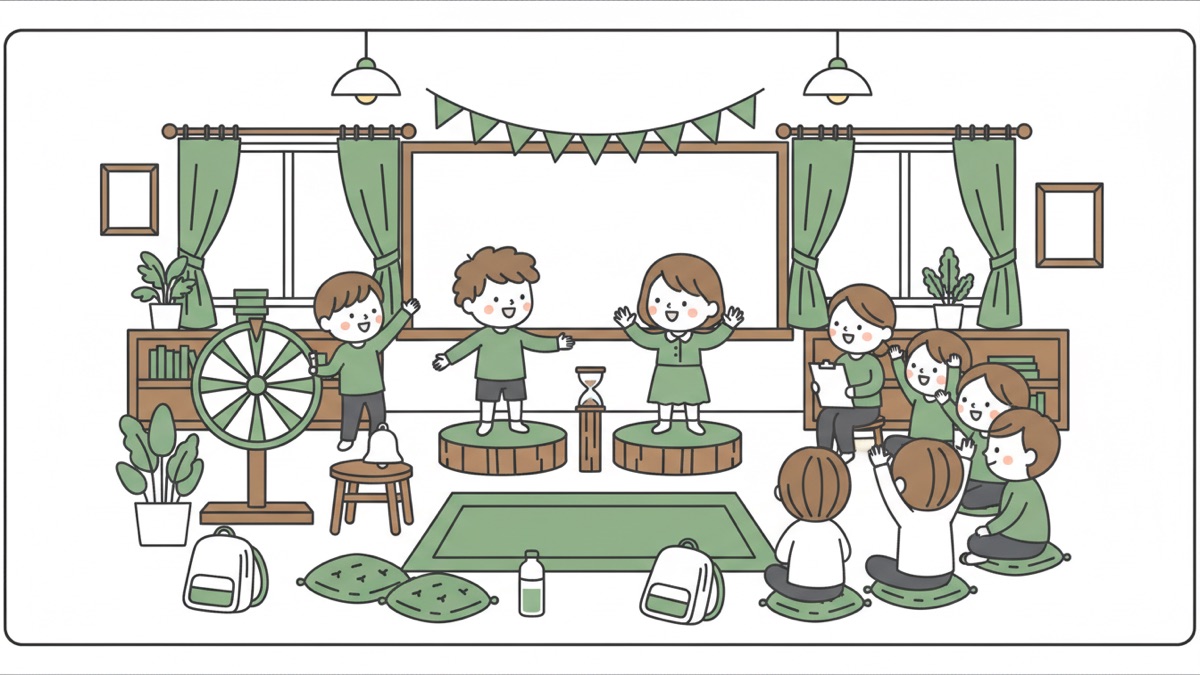
Turning persuasion into a game: the rules are the marking scheme
Children are not short of opinions. What they lack is a way of putting an opinion so that someone else will take it. We built the point–reason–example structure into two classroom games and let the rules do the instructing: an attack with no reason costs you points, and so does taking too long. They want to win, so they drill the exact thing we wanted drilled.
Originally published June 2026 -
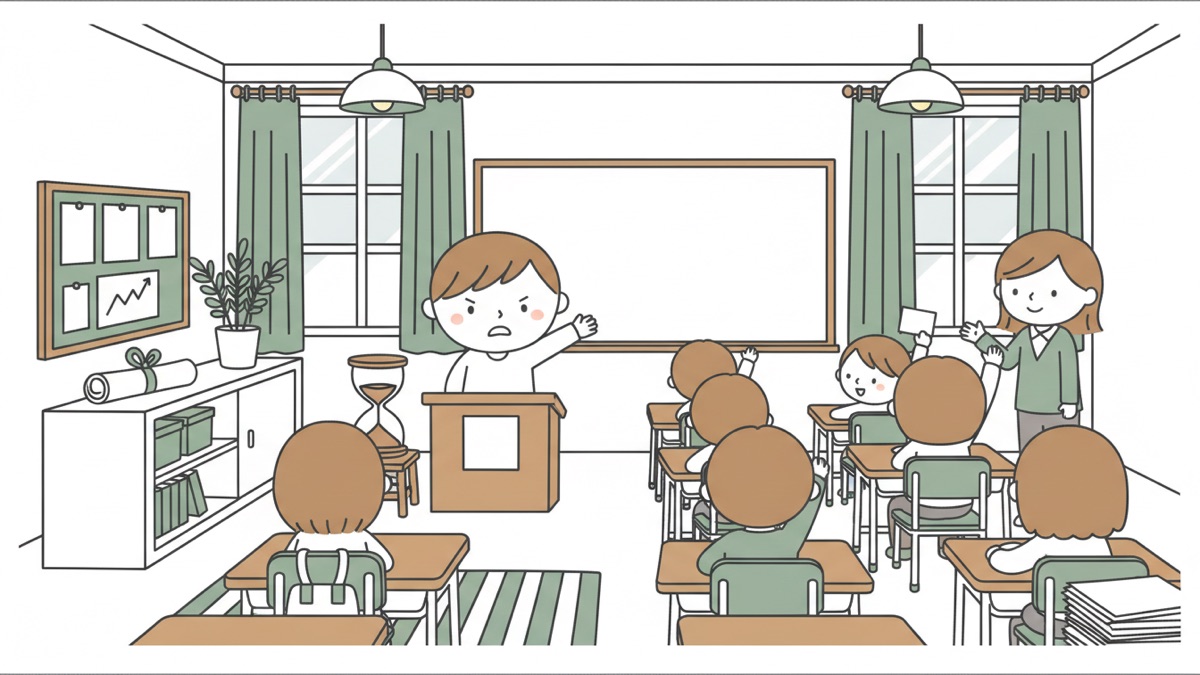
Read it, read into it, organise it, say it: a path that usually gets skipped
In the summer before secondary school, most of the time goes on racing ahead through next year's syllabus. We chose to fill a different gap: genuinely understanding a passage, hearing what the writer didn't say outright, shaping it into a view of your own, and finally saying it so that people take it in. These four steps are one path — skip the early ones and the last is just recitation.
Originally published June 2026 -
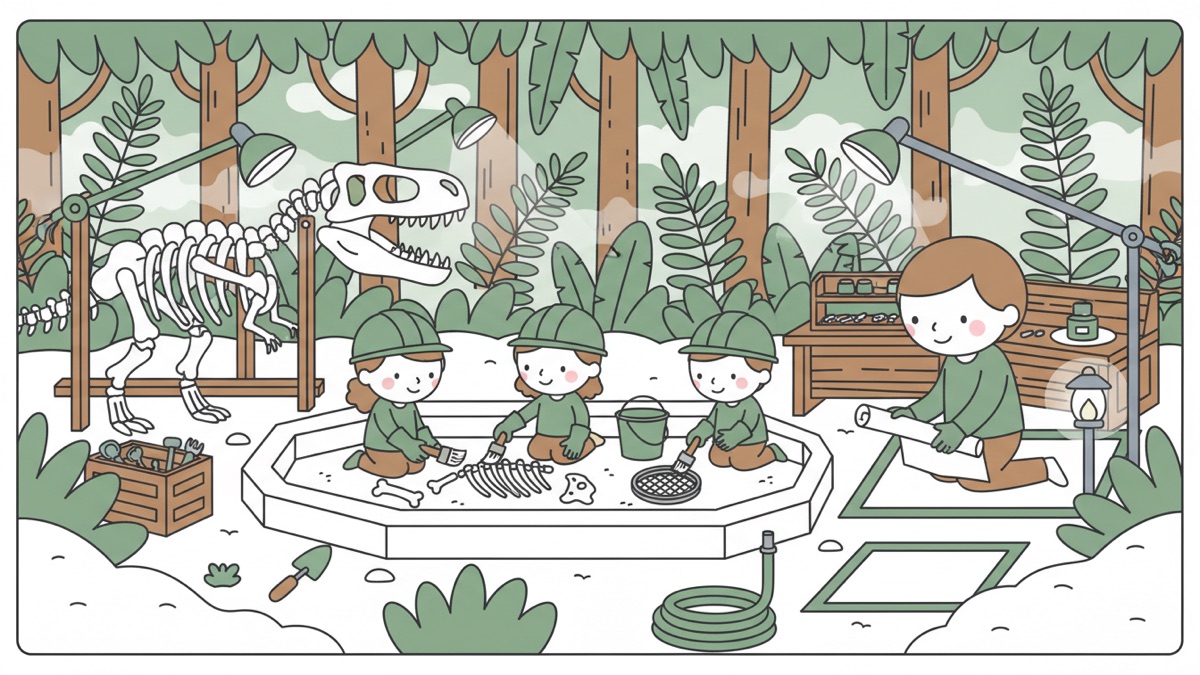
How we design a class: start by asking how scientists know this
There is no shortage of dinosaur courses, and we built one anyway. The reason is that the two questions we most wanted answered usually aren't: how were the geological periods drawn up in the first place, and who names a dinosaur — on what grounds do they call it a separate species? The depth of a class depends on whether its designers are willing to chase questions like that, and whether they are willing to make the hands-on part something other than a toy.
Originally published June 2025 -
Great fun — and genuinely strict
We often tell our students that STARK is 'great fun, but also very strict.' The two aren't in tension — children come back precisely because they can feel themselves getting better.
Originally published August 2024 -
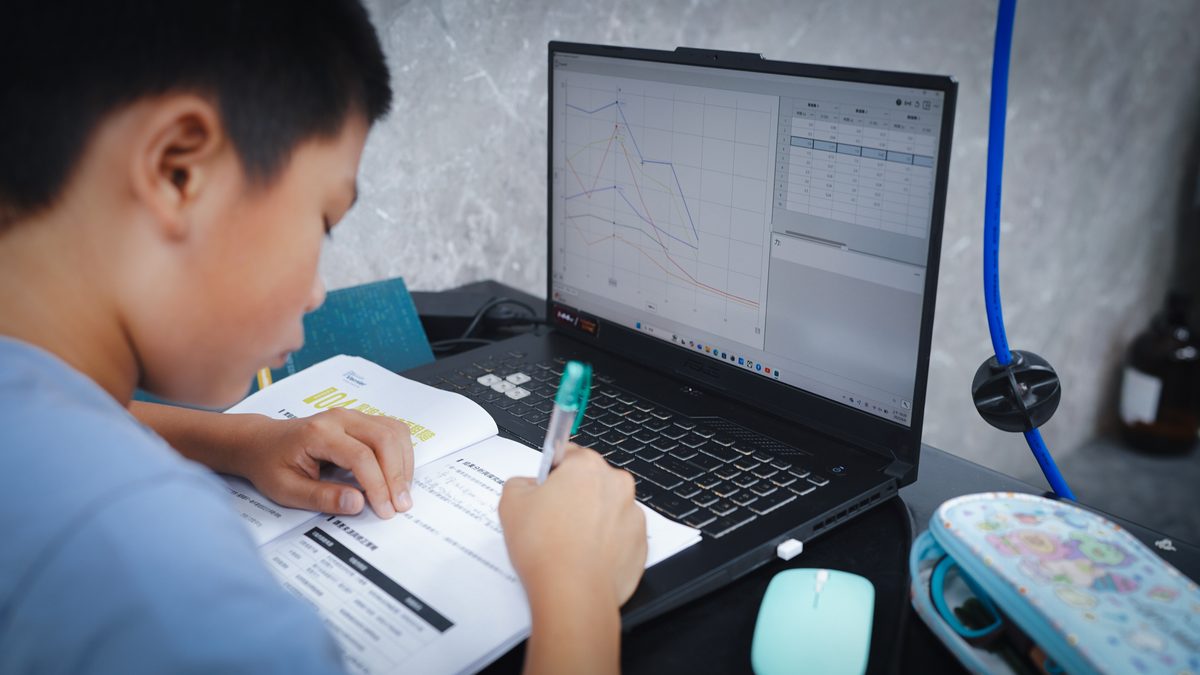
The engineering notebook: pairing every change with its result
Live data can light a child's motivation, but keeping it burning takes two more things: making the data visible to everyone, and recording the process properly. An engineering notebook isn't a reflection journal — it records the correspondence between what you changed and what happened, which is the only thing that can rescue a project in its later stages.
Originally published July 2024 -
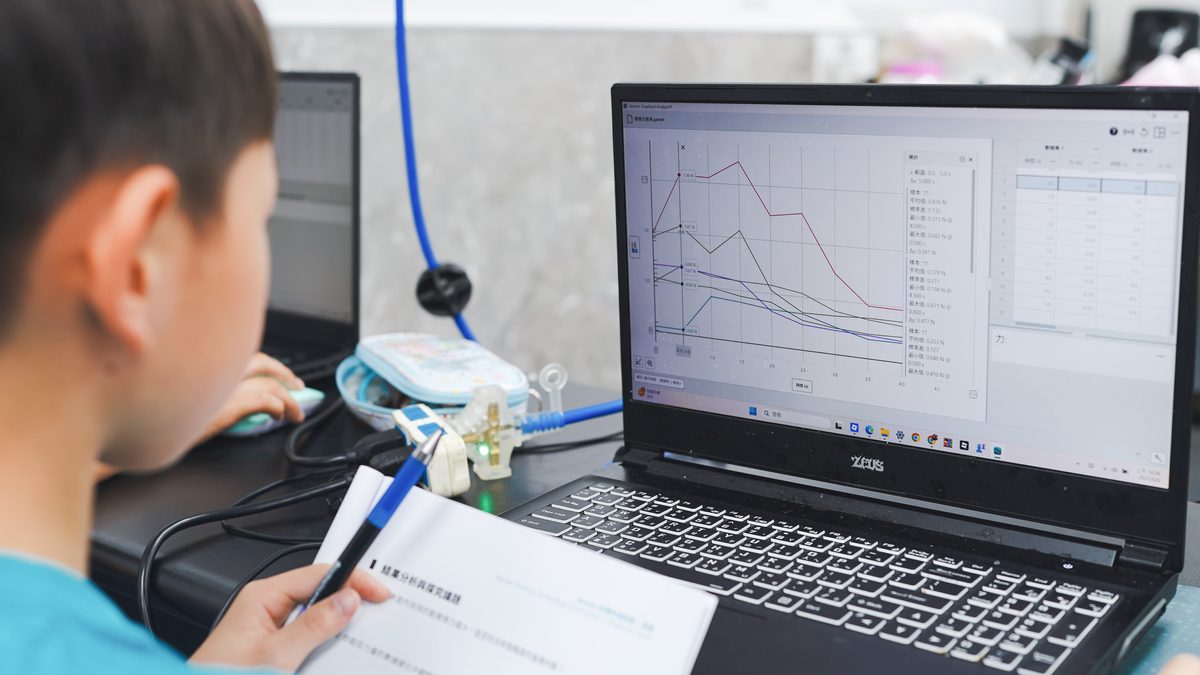
"You only do experiments, not theory" — our answer
Now and then a competitor says this about us. Rather than argue back, we'd rather set it out plainly: at our lab, experiment and theory were never an either-or. They're two sides of the same thing.
Originally published March 2024 -
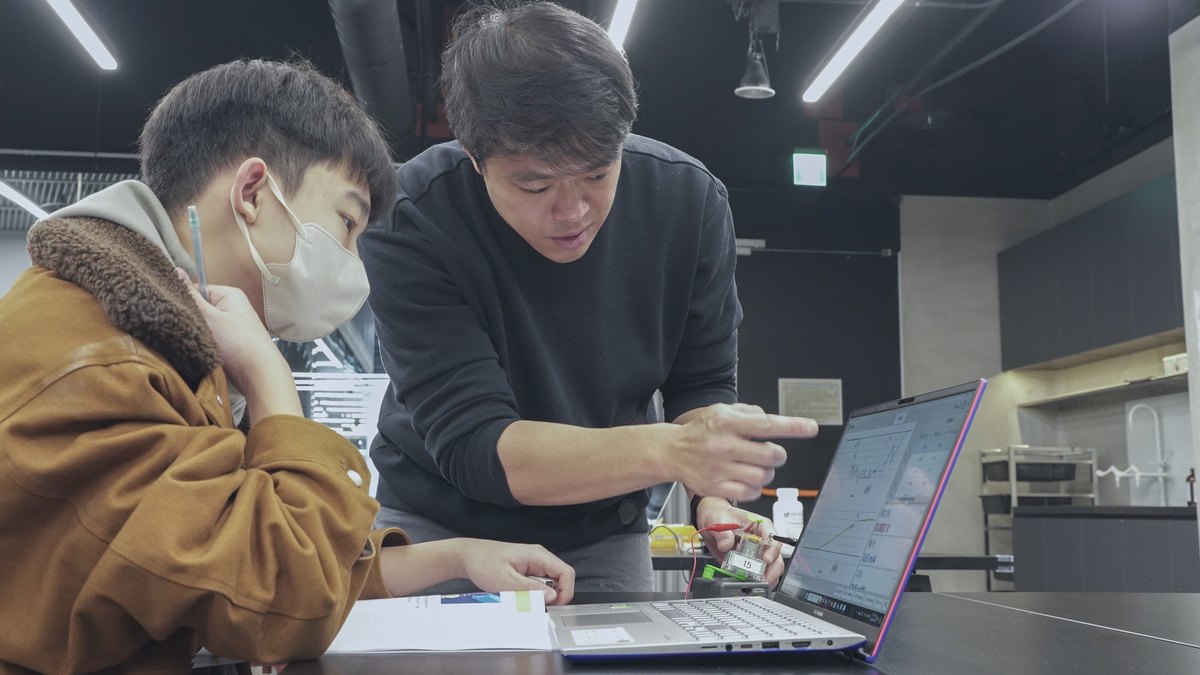
When the data starts moving: how the senses spark learning
When a child watches the numbers jump and the curve run in real time, the order of learning gets rewritten. Here's how live data feedback — see it, do it — lights up a child's motivation, one stage at a time.
Originally published March 2024 -
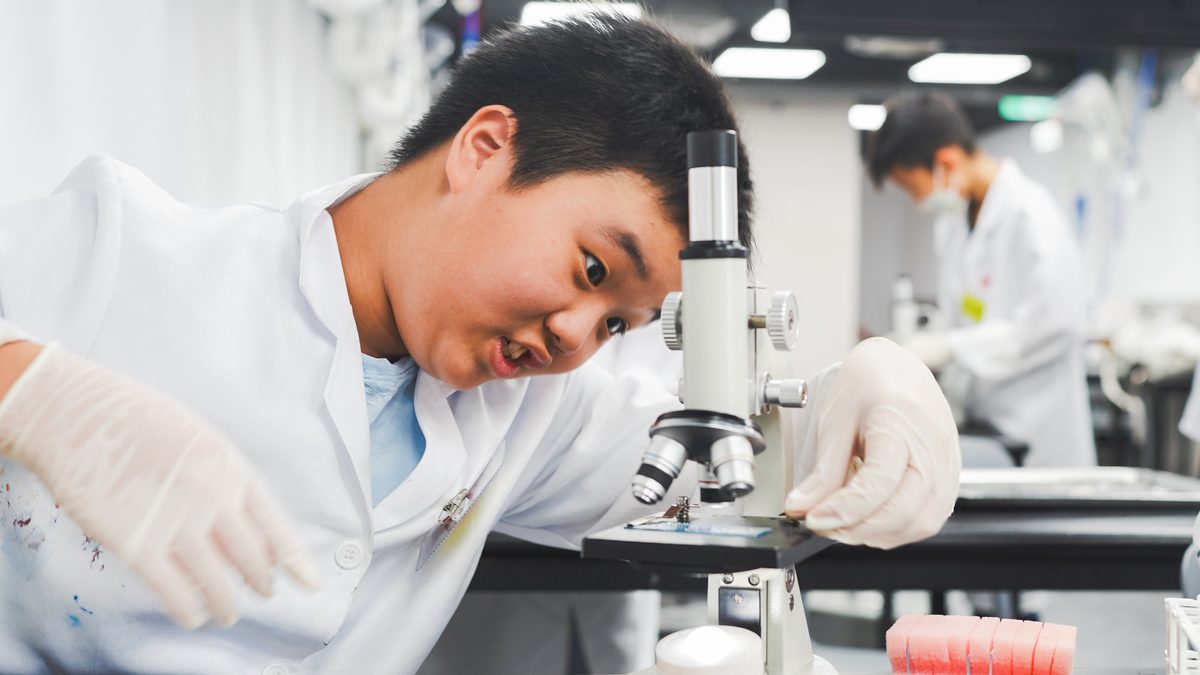
Run the experiment first, explain the theory after
People assume that pairing theory with hands-on work means you'll never finish the syllabus. In our experience the opposite is true — because a child has to see something happen before the explanation can land.
Originally published March 2021 -
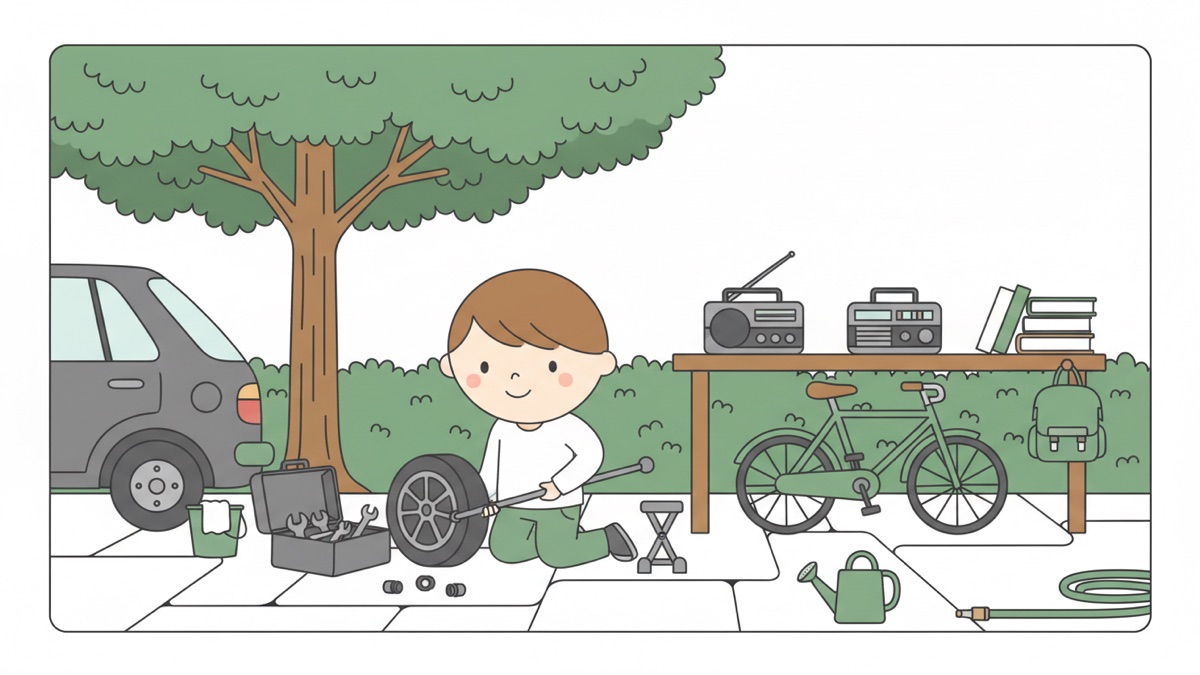
Why we don't set homework
We're probably the only class your child attends that sends nothing home. That isn't leniency. It rests on three specific judgements: what pre-learning can spoil, how memory actually forms, and why the volume of homework is the cheapest — and least reliable — reassurance a parent can buy.
Originally published May 2020 -
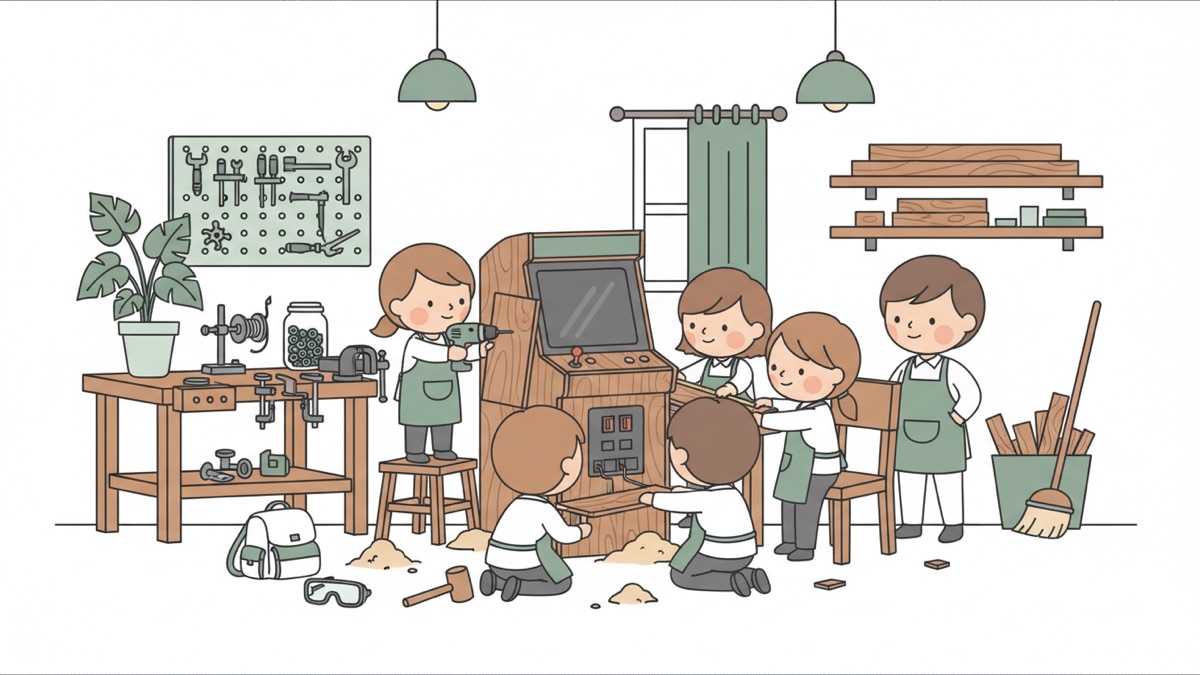
Letting children lead: four principles we've tested and retested
A parent looked at what their child had built and asked: isn't this just woodwork? It is woodwork. But from the first idea through measuring, cutting, sanding, screwing, soldering and writing the code, we hand all of it to the children. Over ten days the hard part is never the making — it's learning to work with other people. And every time we let go a little more, they go a little higher.
Originally published October 2018
§ 07 實驗室手記
Lab Notes
Behind the scenes of a science lab — how we build courses, kit, and standards.
-
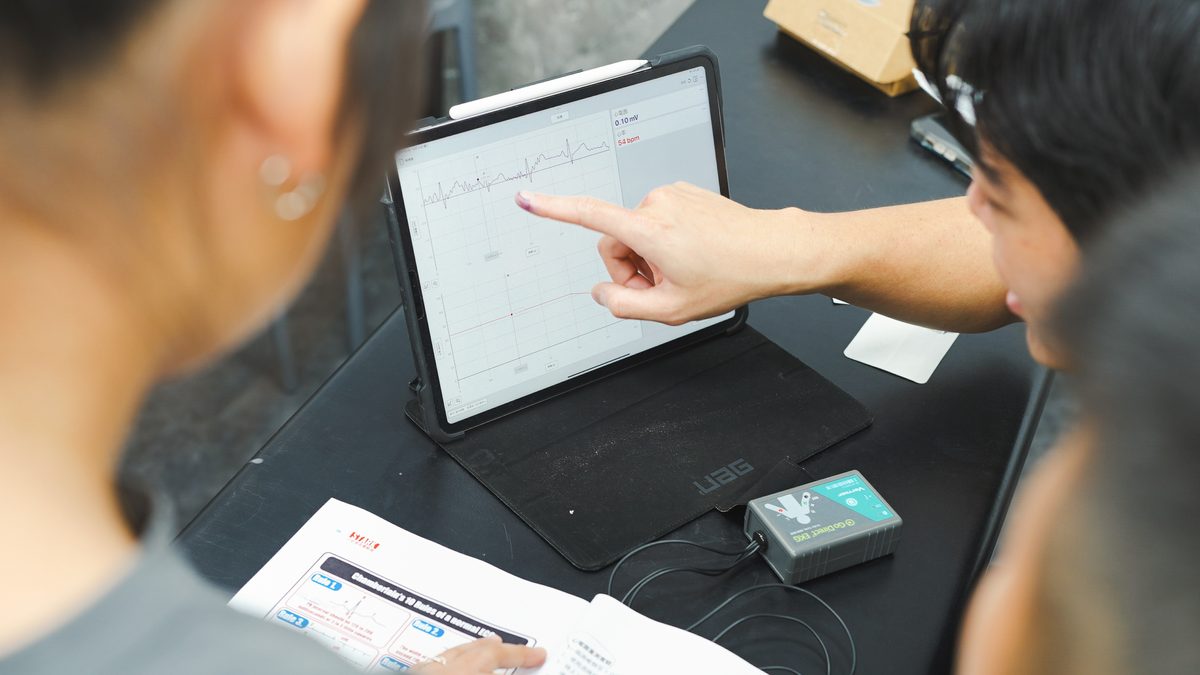
The only test we apply when we buy equipment: what can a child now do?
More kit doesn't mean better teaching. From the overseas curricula and materials we've seen, sensor-based measurement has been standard in science classrooms for over a decade — yet plenty of students here may never touch a temperature probe before university. We close that gap ourselves, but every purchase has to answer the same question.
Originally published August 2025 -
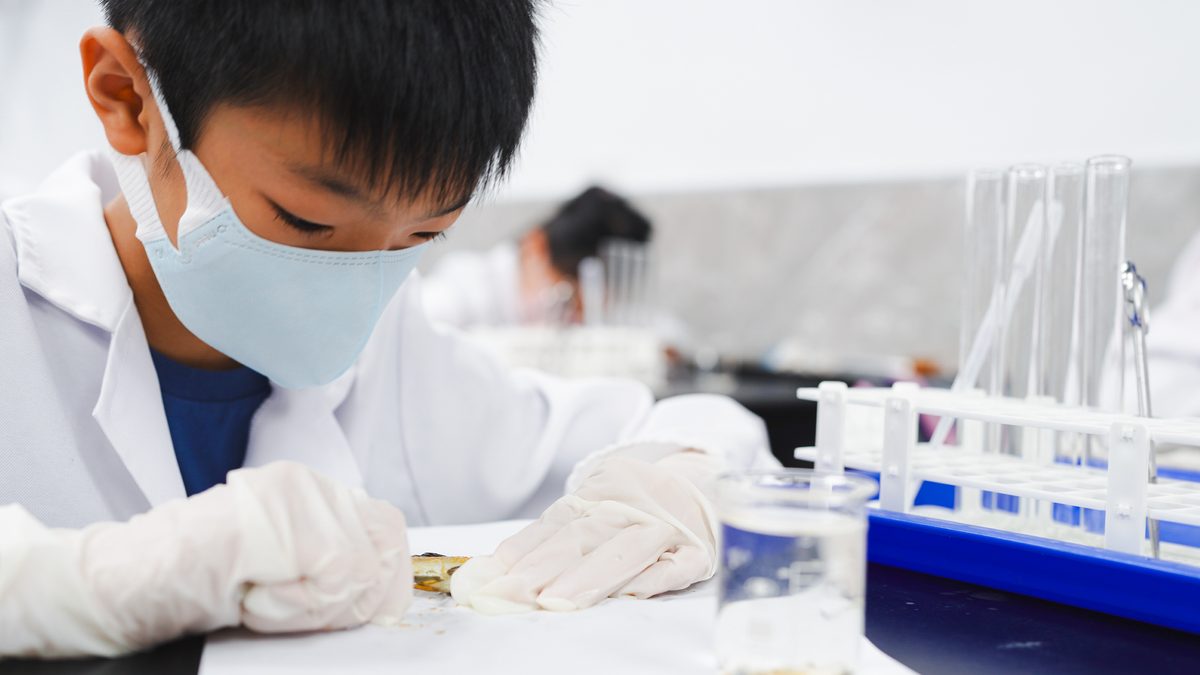
Why our classroom photographs are candid, never posed
Snapshots uploaded live to a group chat are convenient, but most parents never look at them twice. We would rather edit slowly after class and keep the expression a child wears when they're concentrating — a posed shot can't catch it, and the price of posing is a lesson chopped into a photo session.
Originally published July 2025 -
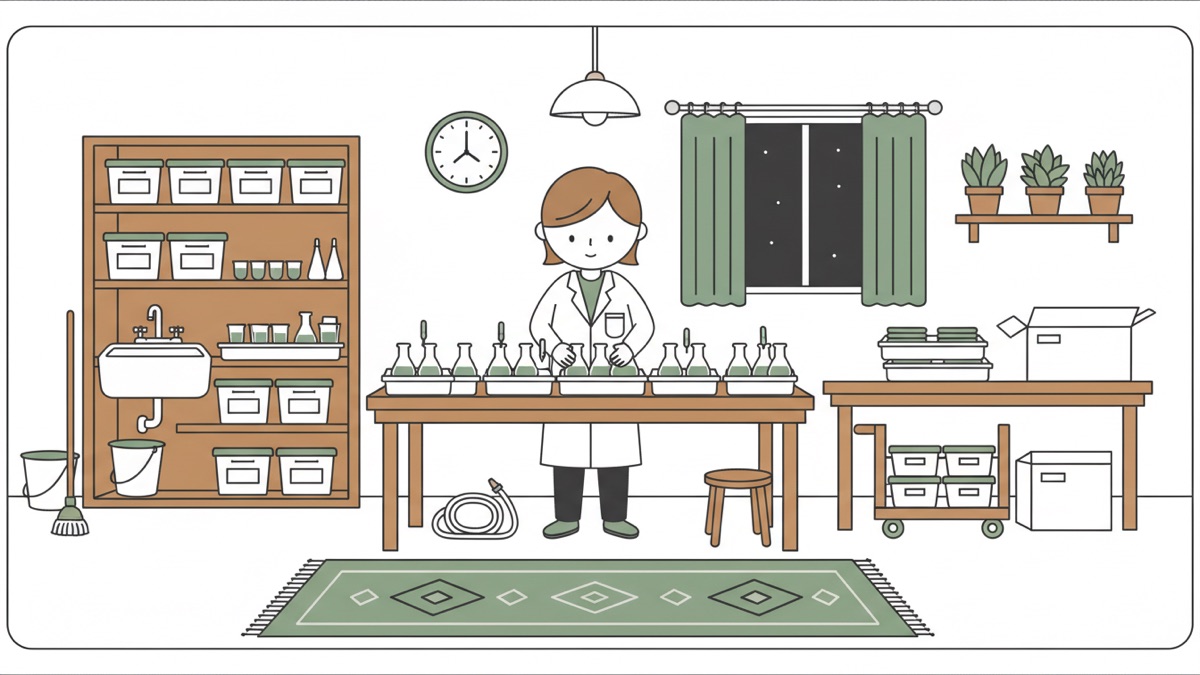
Why we don't open branches — the bottleneck was never money, it's teachers
The advice we hear most often is to open more locations. We never have, and the reason isn't capital: teachers who can carry a hands-on experiment class barely exist. So we took another route — licensing our materials out, and signing away our own right to teach in the area.
Originally published July 2025 -
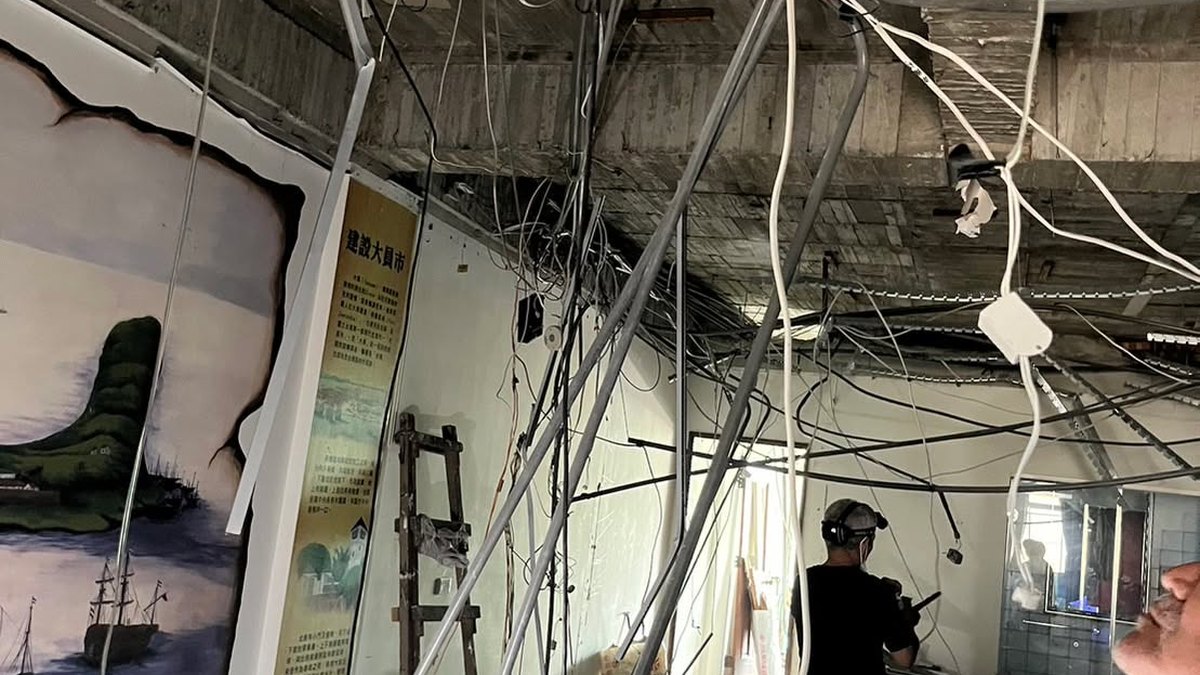
Building the lab we always wanted: the year we moved
Finding a room that met our spec took two years. Gutting it and rebuilding took eight weeks. This is a story we rarely tell — but very much wanted to record.
Originally published June 2024 -
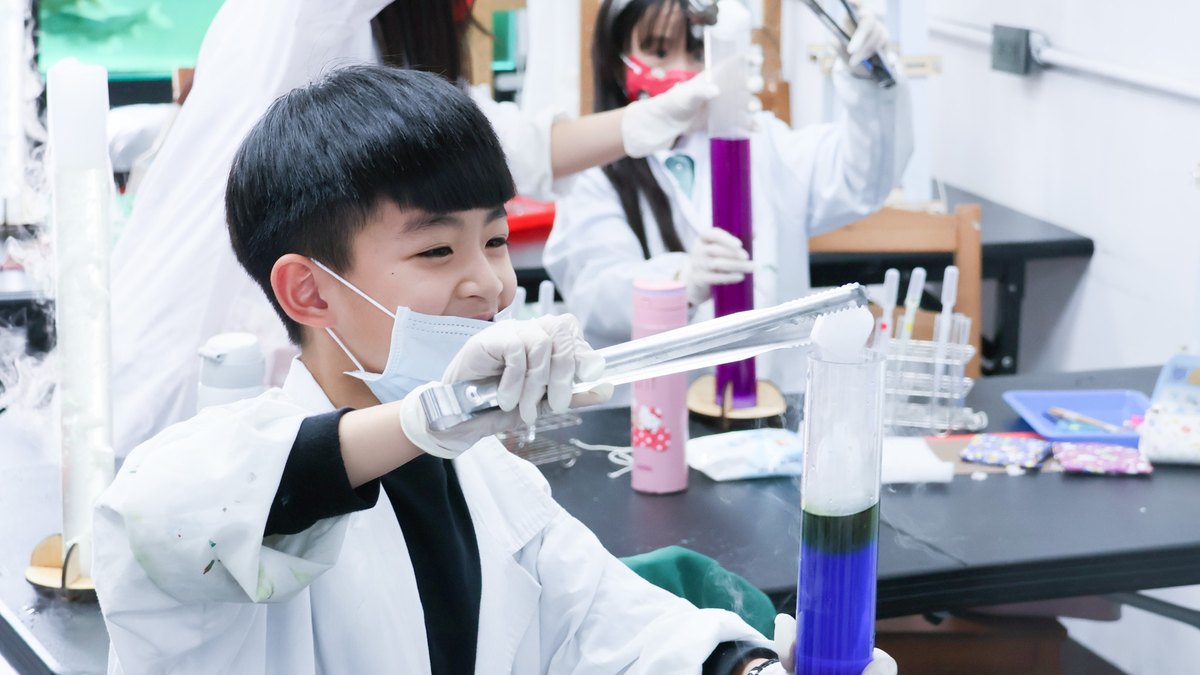
Why every child gets a research-grade microscope
Sharing one set of equipment among several kids does make tuition cheaper. We can't accept it — because it just makes children argue and zone out. Behind one-per-child lies a whole philosophy of teaching.
Originally published February 2023 -
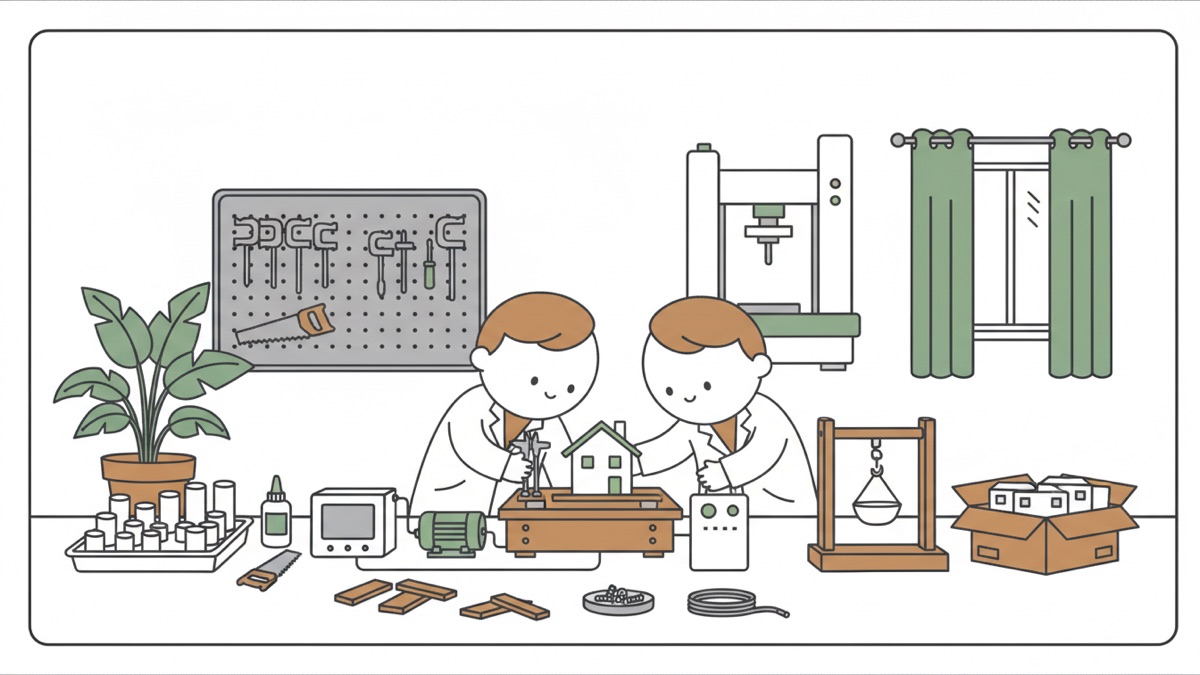
How we shrank a university materials-mechanics lab into a home kit
A collaboration with a university civil-engineering department pushed us to turn six-figure professional equipment into low-cost kits a child can run at home. Here's the full story — the filming, the kit, and the outreach.
Originally published December 2021 -
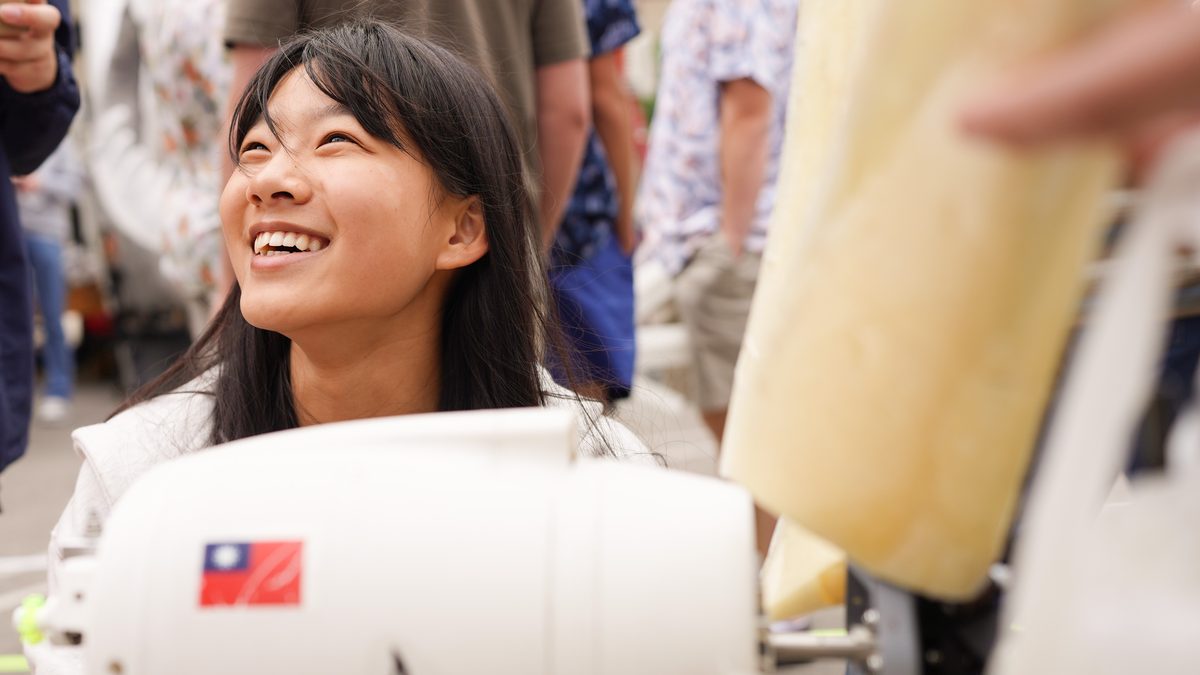
Why we bring university engineering to teenagers
A lot of kids feel lost because the only world they know is school subjects. Rather than chasing short summer camps, we'd rather have them run a real engineering experiment with their own hands — and properly explore a field.
Originally published August 2021 -
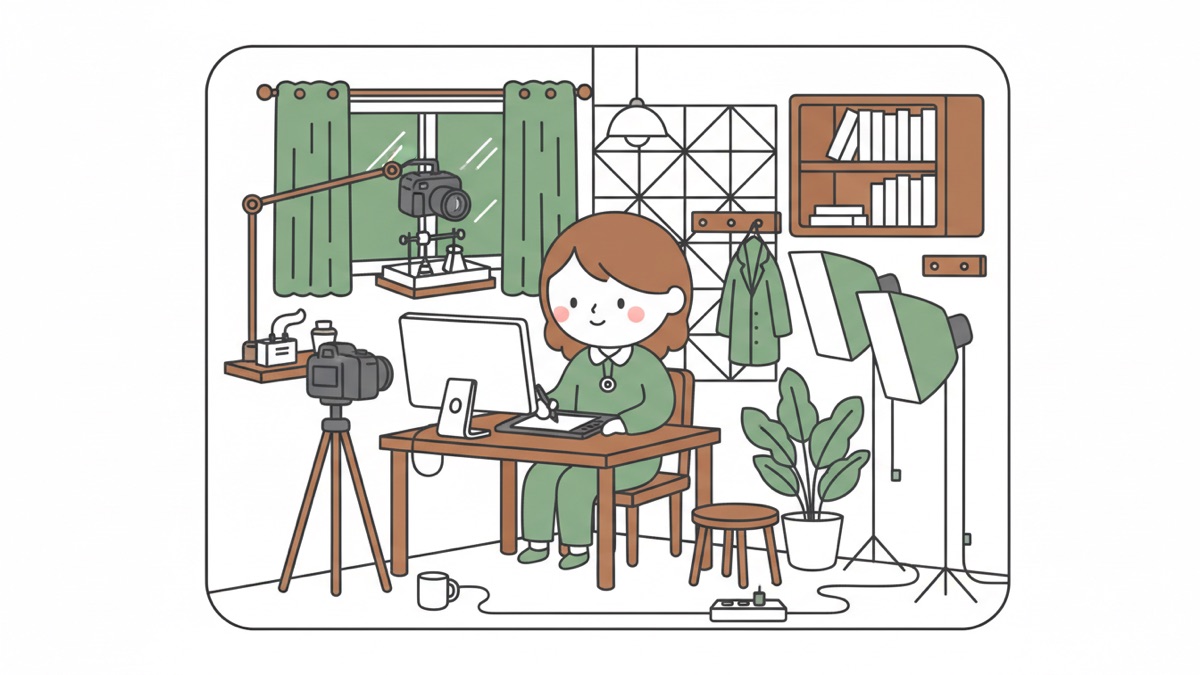
Teaching online isn't the easier job — it's the job with worse conditions
During the pandemic a line went around: teachers sitting at home have it easy. Anyone who actually ran live online classes knows better. The real cost of teaching online is rebuilding, one at a time, the three things a physical classroom hands you for free — being seen, being heard, and seeing your students react.
Originally published June 2021 -
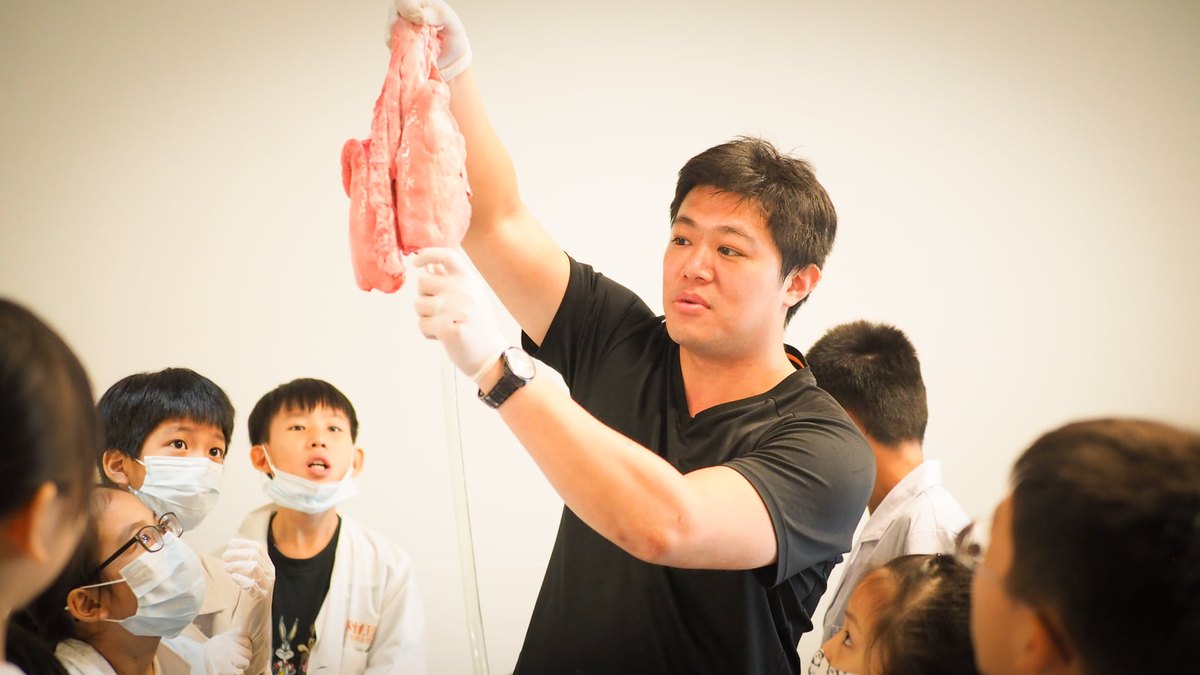
The one stubborn thing we've bet the lab on
Back when we started, plenty of people called us fools — who teaches only science experiments and doesn't even bolt on English or maths? A decade later, we're surer than ever: with science, you only truly understand it once you've done it with your own hands.
Originally published April 2021 -
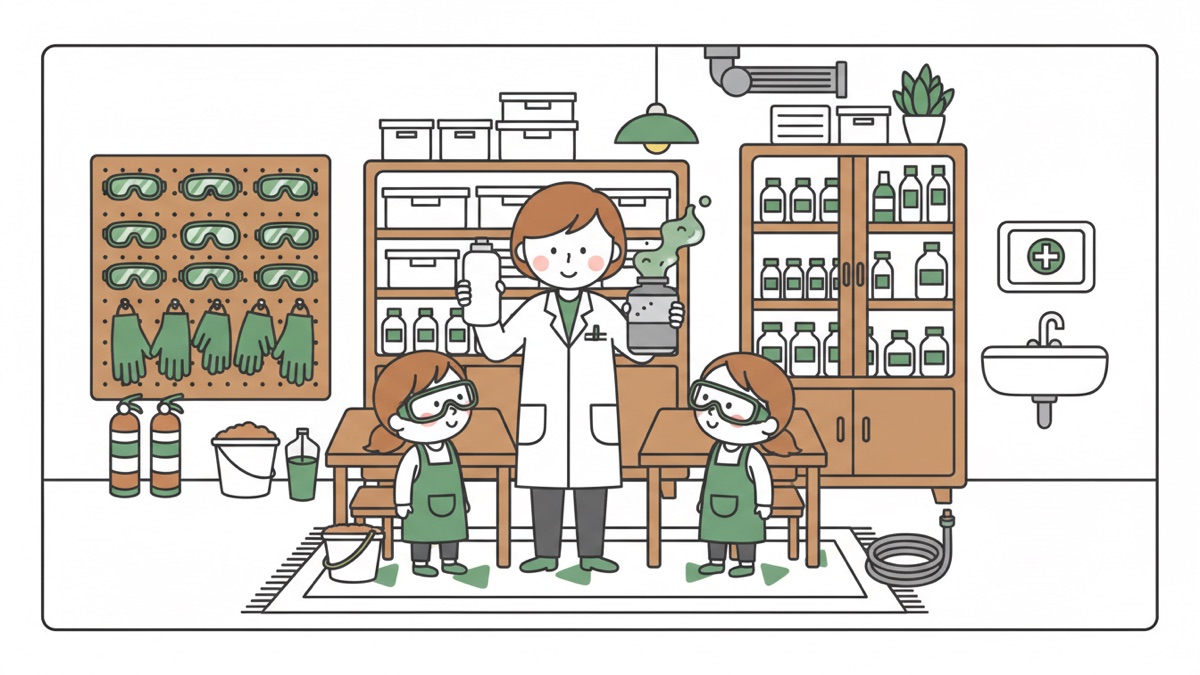
Safety in the lab isn't the same as nothing going wrong
Liquid nitrogen does not belong in a vacuum flask — basic knowledge, and still not universal. The harder problem is the one behind it: a class designed to be perfectly safe can teach children to stop noticing danger altogether.
Originally published November 2020 -
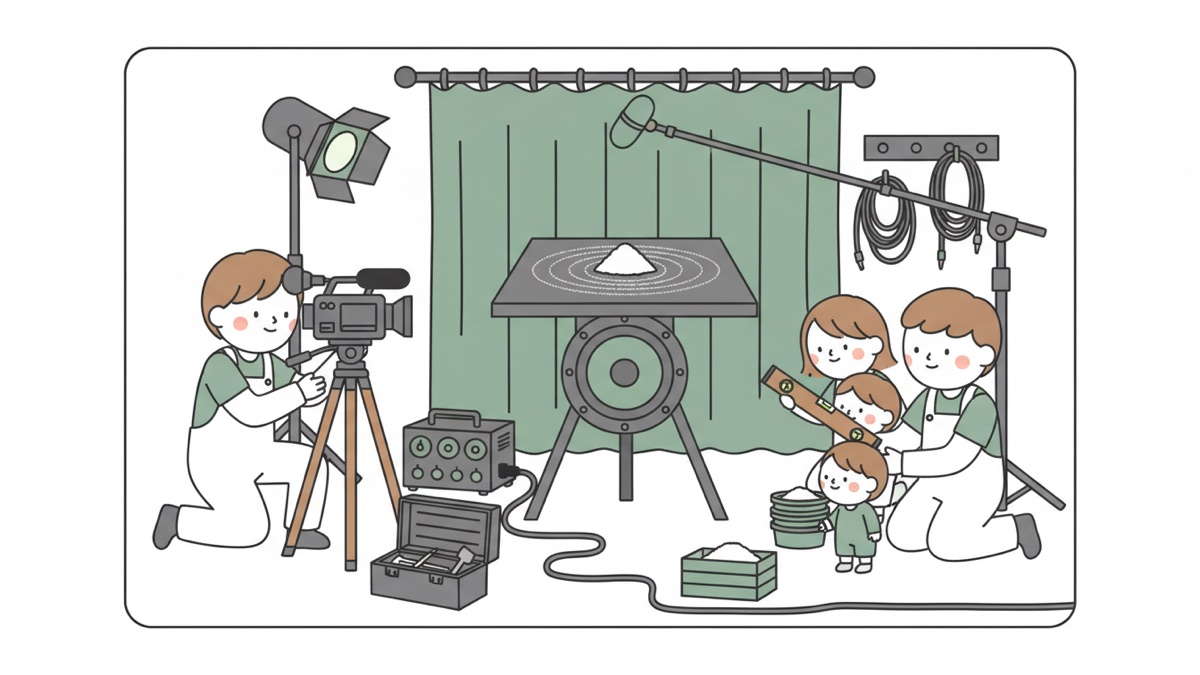
Double the plate and the whole chain has to be rebuilt — notes from a commercial shoot
Years ago we supplied the science apparatus for an education-themed commercial. Doubling the size of a metal plate looks like a change of dimensions; in practice the speaker, the amplifier and the levelling all had to change with it. What the shoot really taught us was that on set there is no second attempt.
Originally published April 2018 -
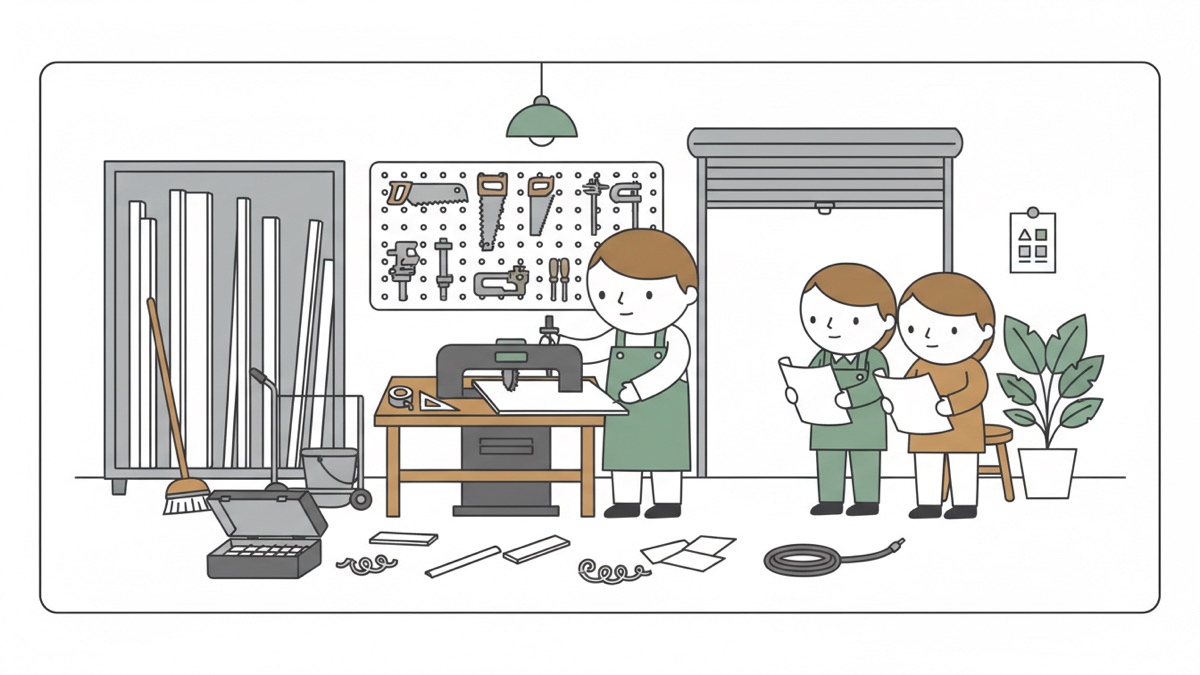
When something looks easy, it usually means someone has absorbed the hard part
We're regulars at a metal shop, cutting larger plates. The owner names an alloy at a glance and calls its thickness with it. Years of building experiments have left us indebted to tradespeople of every kind — and surer of one thing: you only find out where the expertise is hidden once you've tried it yourself.
Originally published May 2016
Nothing matches. Try a different term, or loosen the filters.