

Choosing a science class for your child: seven things you can check on the spot
Tainan has more children's science programmes every year. The real question parents ask is how to tell which ones actually do science. Here are seven things you can verify in person — equipment, hands-on time, staff ratio, curriculum structure, safety, transparent rules, and whether the photos are real.
A disclosure first: we run a science lab in Tainan ourselves, so this article is written by an interested party. It will not tell you where to enrol. It will tell you what to check when you walk into any classroom — including ours.
1. How much the children's hands are on the equipment — not how good the teacher's demo is
The easiest thing to be impressed by on a visit is a beautiful demonstration. But a demonstration is something done for children, not by them. The question that matters: in one lesson, how many minutes are the child's own hands on the apparatus? The ability to do science grows out of operating, failing and correcting — not out of watching a performance.
2. Instruments, or toys
Look at the equipment. A child may not tell the difference between a science kit and a research instrument, but the data will: toys produce phenomena, instruments produce numbers you can interpret. Starting from phenomena is perfectly fine for young children — but if a programme claims to prepare students for research or science fairs without instruments that can measure anything, that research cannot actually happen.
3. The staff ratio, and where the second adult is
A lab lesson is not a lecture: children are holding burners, chemicals and glassware. One teacher cannot watch a dozen pairs of working hands at once — that is not a question of attitude but of physics. Ask plainly: how many children per class, and is there an assistant besides the lead teacher?
4. A structured curriculum, or an anthology of one-off experiences
Single taster sessions are fun, and a fine way to start. But if the goal is real, accumulating ability, look for a staircase between courses: does this term's observing and recording become next term's variable control? A structured programme can tell you where a child will be after a year; an anthology can only tell you next week's theme.
5. Safety lives in the unglamorous details
Does every child get their own safety goggles, or are they shared? Is the chemical cabinet locked? Is there insurance? Ask these on the spot — a good classroom answers happily, because these are things they do every day. Vague answers mean nobody has been thinking about it.
6. Where the rules on trials, make-ups and refunds are written down
Transparent rules are not a legal nicety; they are the operator's character showing. A classroom that puts trial lessons, make-up classes and refund conditions in writing usually runs its teaching with the same temperament. A place that says "we'll sort it out later" will sort everything out later.
7. Whether the photos are posed or taken mid-work
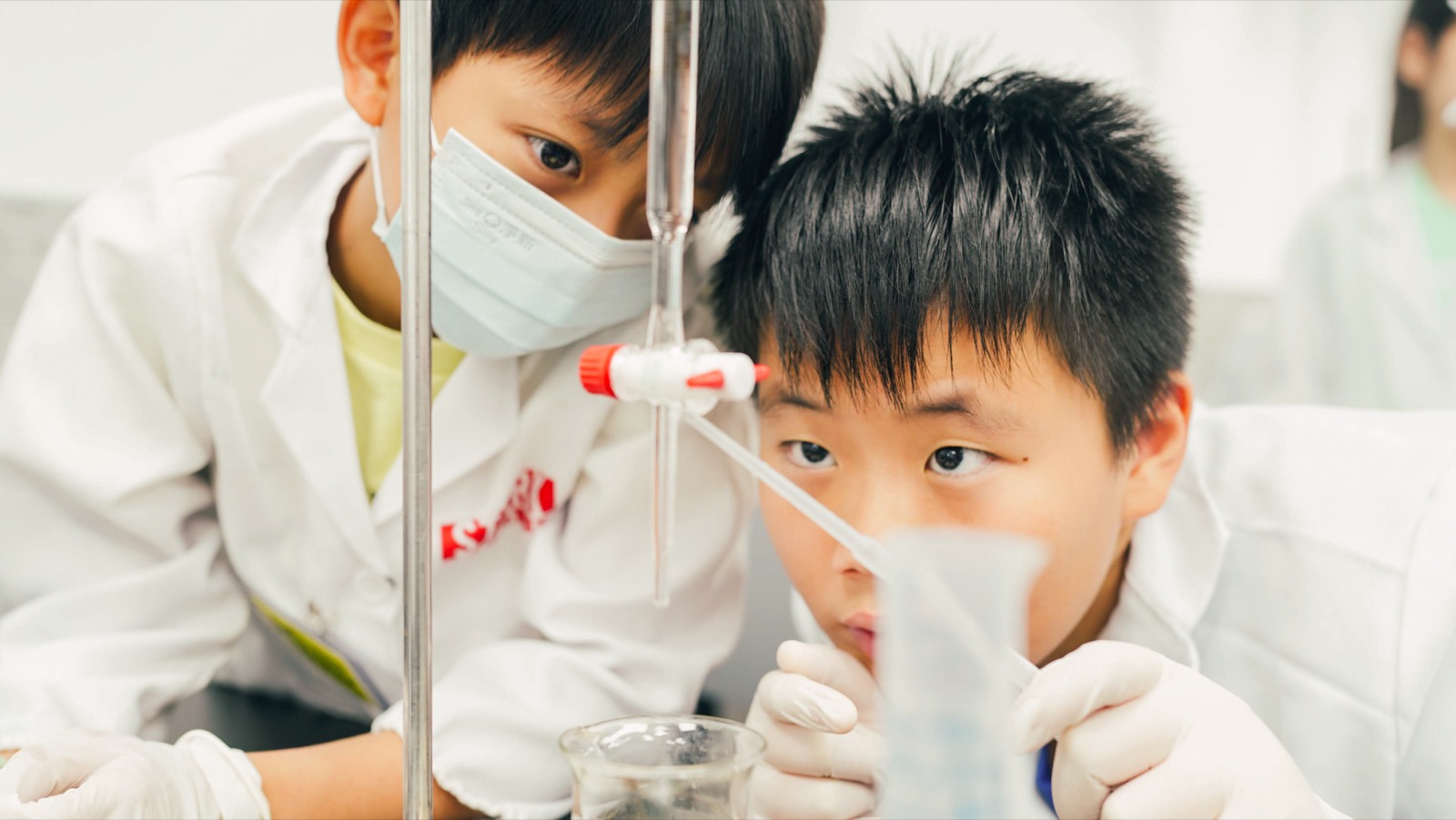
Finally, look at how a classroom presents its children. Walls of beaming faces holding finished products up to the camera, versus photos where children are head-down, hands busy, unaware of the lens — these are two different classrooms. The former does not mean fakery; the latter is nearly impossible to fake.
None of these seven checks needs a professional background; one trial lesson with your child covers them all. There are serious science educators in Tainan besides us — measure every classroom with the same ruler, ours included, and your child will end up in the right place.