
Why science fairs matter, which kids they suit — and why we never publish a winners' list
A science fair isn't a box to tick — it's a full course in rigorous research. Why admissions weighs it so heavily, which children it actually suits, and one thing we've held to since day one: we never publish a winners' list.
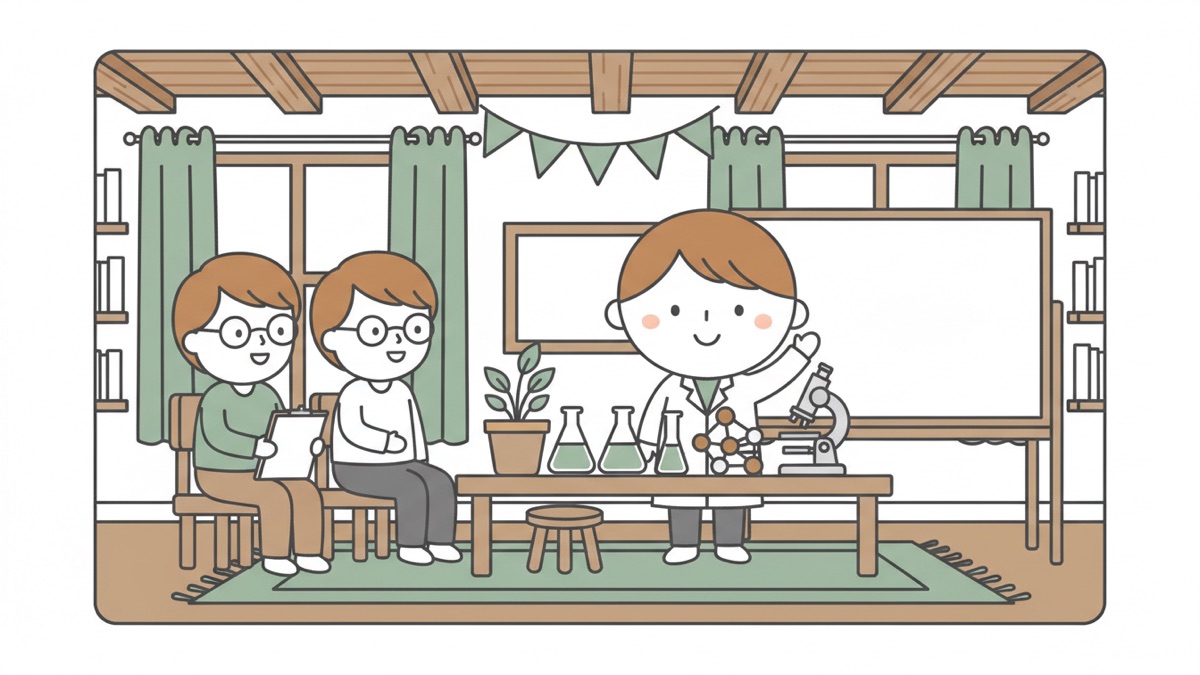
Every science-fair season, we get the same three questions. How much do science fairs really matter? Is it worth the investment? And a sharper one: you've mentored so many students — why is there never a winners' list on your wall? Here are all three, answered plainly.
Why science fairs carry weight
A science fair is a competition that runs on experience. It isn't a test; it's a full, rigorous cycle of scientific inquiry and research — from spotting a question, designing an experiment, and controlling variables, to analysing data, writing it up, and defending it out loud. Precisely because it forces a child to walk the entire arc of doing research from start to finish, many admissions pathways pay close attention to a student's track record here.
At different stages and through different routes, science-fair results can serve as meaningful evidence for gifted-program selection, for admissions credit, or even for special-talent pathways. (How each route counts it, and the eligibility rules, change from year to year — always defer to each school's and each pathway's current-year prospectus.)
But here's the key: to go far in science fairs, a child has to start early — it isn't something you conjure overnight. And even without a prize, the experience itself is worth it: come interview time, the child has something they genuinely did to talk about, instead of turning up empty-handed.
Which children it suits
Science fairs are captivating — and genuinely gruelling. They suit the child who honestly wants to understand something, and can endure a full year of slow work — not the child treating a science fair as an admissions ticket, or as a respectable excuse to be out of the classroom.
Whether a child will keep testing and revising for a question they're curious about — sitting through failed dataset after failed dataset — matters more than how clever they are. That trait can't be faked, and it's the thing we're really looking at when we decide whether to take a child on for research.
Why we never publish a winners' list
This is the part that puzzles people most. We do mentor science-fair projects — but since the day we started, we have never published a results list. Not exam scores, not competition results, none of the loud announcements others make.
The reasons are simple. First, we mentor; we don't do it for them. The work belongs to the child, and turning it into our signboard is an imposition on students and parents alike. Second, we don't want parents sending a child to us for the sake of a list — that puts everyone's eyes on the ranking, instead of on whether the child is actually learning anything.
So how would anyone know you mentor science fairs? We don't have to say. People simply ask the children who did good research where they did it.