Four common mistakes in a learning portfolio
After editing a great many learning portfolios with students, we keep seeing the same mistakes. Most aren't the child's fault — no one told them what to watch for first.
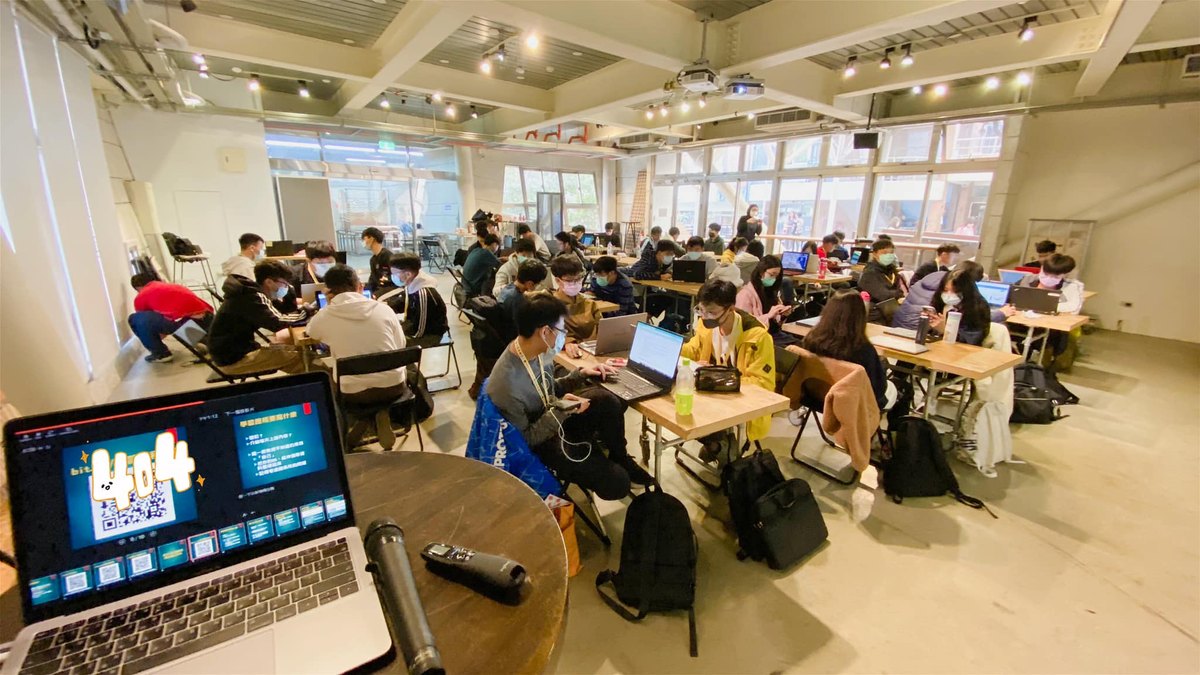
Editing learning portfolios with students, one file at a time, we've noticed a handful of mistakes almost everyone makes. Usually it isn't that the child wasn't trying — it's that no one ever spelled out what to watch for. While it's still fresh, here are the four we see most often.
Context for readers outside Taiwan: the learning portfolio (學習歷程檔案) is a cumulative record high-schoolers build over three years — coursework outcomes, self-directed projects, reading, competitions — and submit as part of university admissions. Reviewers read it alongside exam scores.
1. School has barely talked to students about the portfolio
Across the students we meet, we're always surprised how few have had a real conversation with a teacher about what the portfolio is, how to build one, or why it matters at all.
That isn't entirely the teachers' fault. Plenty of surveys show that many front-line teachers are still finding their own feet with the new curriculum and its inquiry-and-practice component — never mind advising students on what a reviewer actually wants to see. So we'd suggest parents check in: does your child actually have enough, and correct, information to work from?
Don't let a child grind away and simply file something to be done with it, without ever understanding the point. That isn't just exhausting — it can be wasted effort, and it can leave a reviewer with a worse impression than nothing at all.
2. Even the information from teachers can be wrong
This isn't the subjective "what does a professor want to see" question. It's the objective, clearly-regulated stuff — the rules for what you may upload — that still gets passed on incorrectly.
The portfolio system is still young, and the authorities are quite openly revising it as they go (don't be annoyed — at least they're willing to fix things), so the rules can change at any time. Rather than memorise one year's version, teach your child the more durable skill: how to look up the latest official rules for themselves.
3. Treating "diverse learning outcomes" as filler
Some students report being told that "coursework outcomes are what matter; the diverse-learning section is just padding." We'd rather believe the teacher simply didn't finish the thought and the student misheard.
Coursework outcomes are, of course, the baseline — the part you must provide. But many reviewers say plainly that they care a great deal about what a student does in elective and enrichment work. A student is limited by whatever courses their school happens to offer, so coursework alone often can't reveal a child's real interests or character — and that's exactly where diverse-learning outcomes come in.
And don't misread that word: diverse learning is not only about attending camps. A book a child read, a film they watched, anything in daily life that shifted how they see themselves or their direction — all of it can become a written entry.
A child who loves Lego only has to photograph the build and explain the design intent, the assembly process, the difficulties met, the references consulted — and it becomes an excellent record. A reviewer reads a great deal from a process like that.
So please stop treating diverse learning as second-rate. It's often the part that shows a child's character most clearly.
4. Uploading raw files that leave the reviewer baffled
Almost every student makes this one: the group's slide deck, handwritten notes, lab records, even a marked-up English composition — all uploaded as-is, un-edited. That creates three problems.
First, no context. The reviewer doesn't know the circumstances the work came out of, or what it was for, so they have no yardstick to judge it by. A pure data-compilation deck is the worst offender — it's hard to see what it demonstrates beyond an ability to Google and copy-paste.
Second, group work with no stated role. If you don't make clear what you personally did within the team, the reviewer has no way to tell whether you did the work or coasted on it. To avoid the ambiguity, they may simply disregard the piece entirely — a waste.
Third, photographed or scanned handwriting is rarely a good idea. Handwriting, lighting, background, faint pencil — all make it hard to read. We usually tell students to put in the effort and retype it cleanly. If a handwritten piece really does need to be included, attach it as a reference, not as the main text — otherwise you're taking a big risk.
These four look like small things, yet they're the fastest way to lower a first impression. The good news: every one of them can be avoided with preparation — provided someone tells the child what to watch for first.