English books tooScience for depth, English for breadth
Graphs × VariablesThe two biggest skill areas on the CAP
Deep learningFrom understanding to judgment
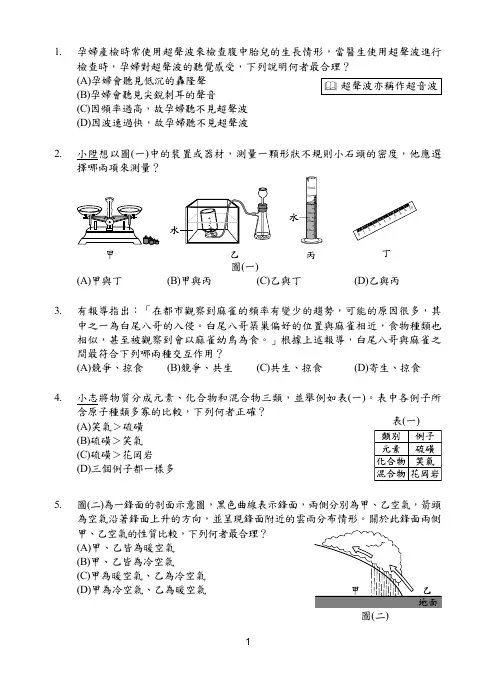
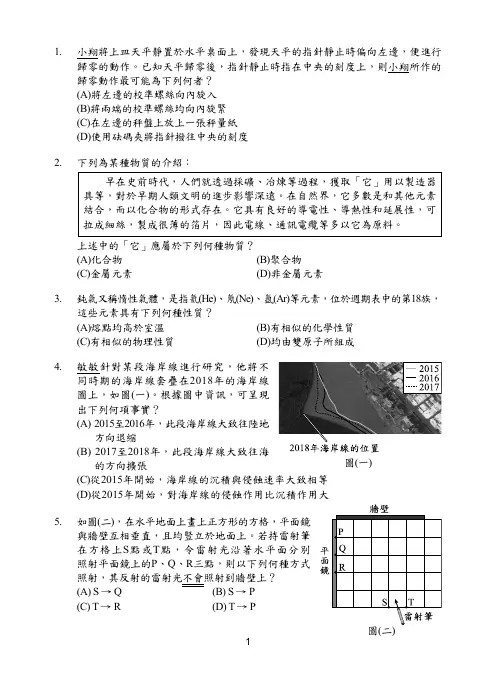
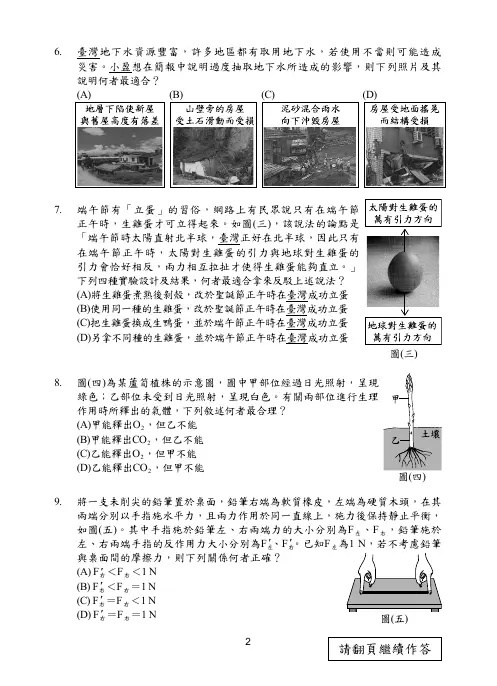
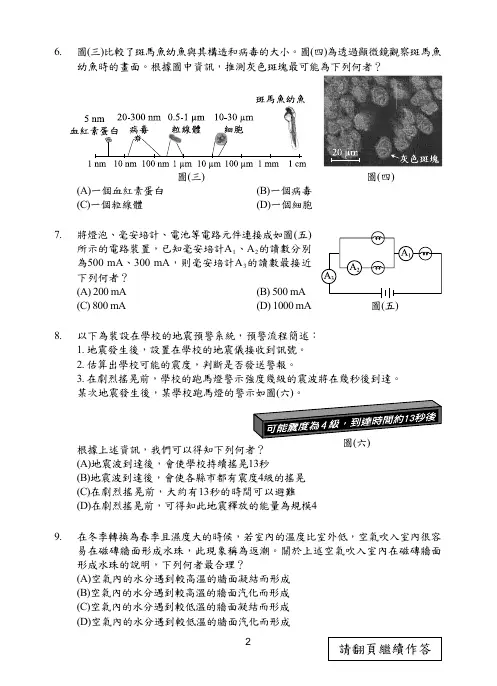
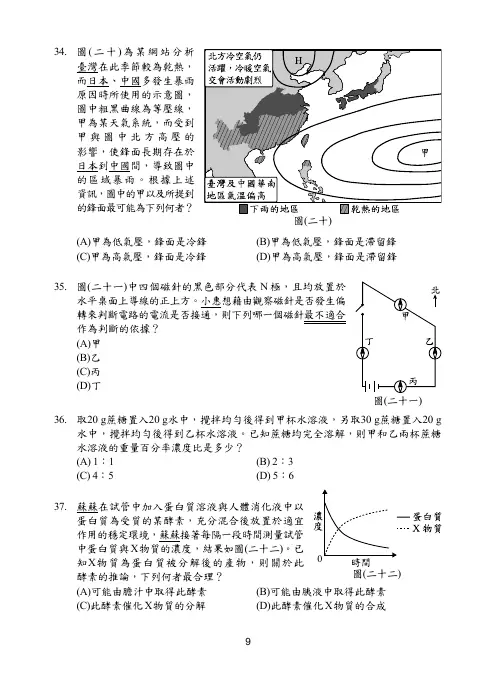
Background: original 2025 and 2026 CAP Science exam pages
The single largest question type on CAP Science
37%
is graph and table reading.
Calculation makes up just 8%.
When practice time is split the other way round, as it is in most workbooks,
no amount of drilling trains the skills the CAP actually tests.
§ 01
The problemThe Mismatch
Plenty of practice, pointed the wrong way
When a child is stuck at a B in science, the first thought is usually effort.
Lay out five years of exam papers, though, and the issue is rarely how much they practice. It is what they practice.
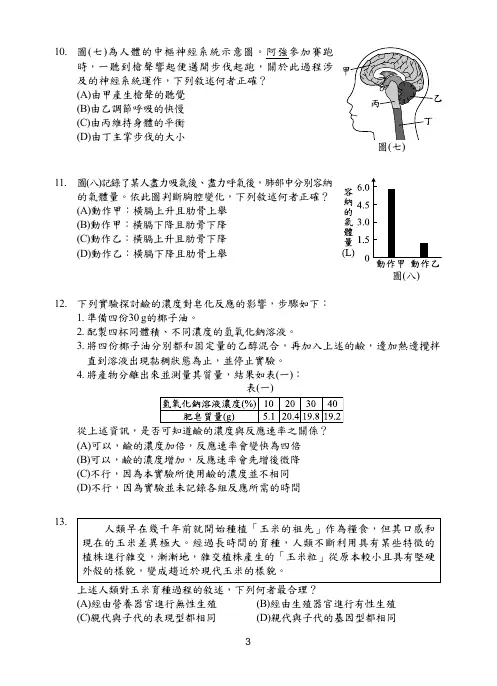
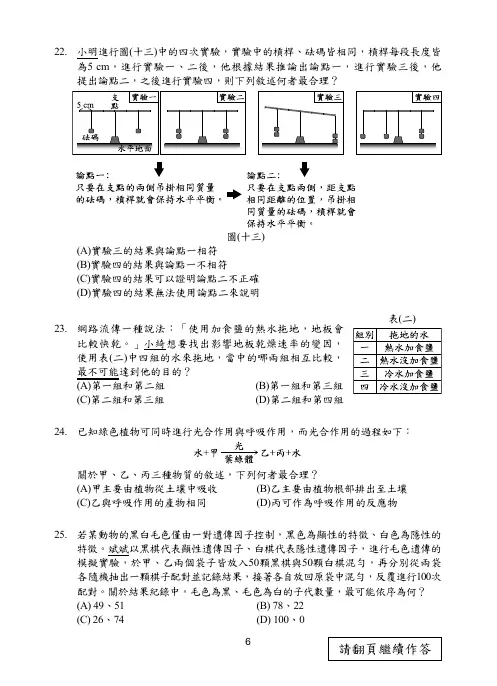
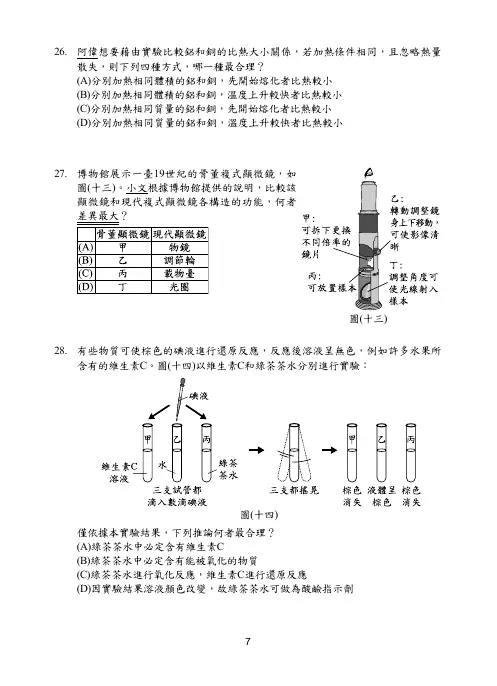
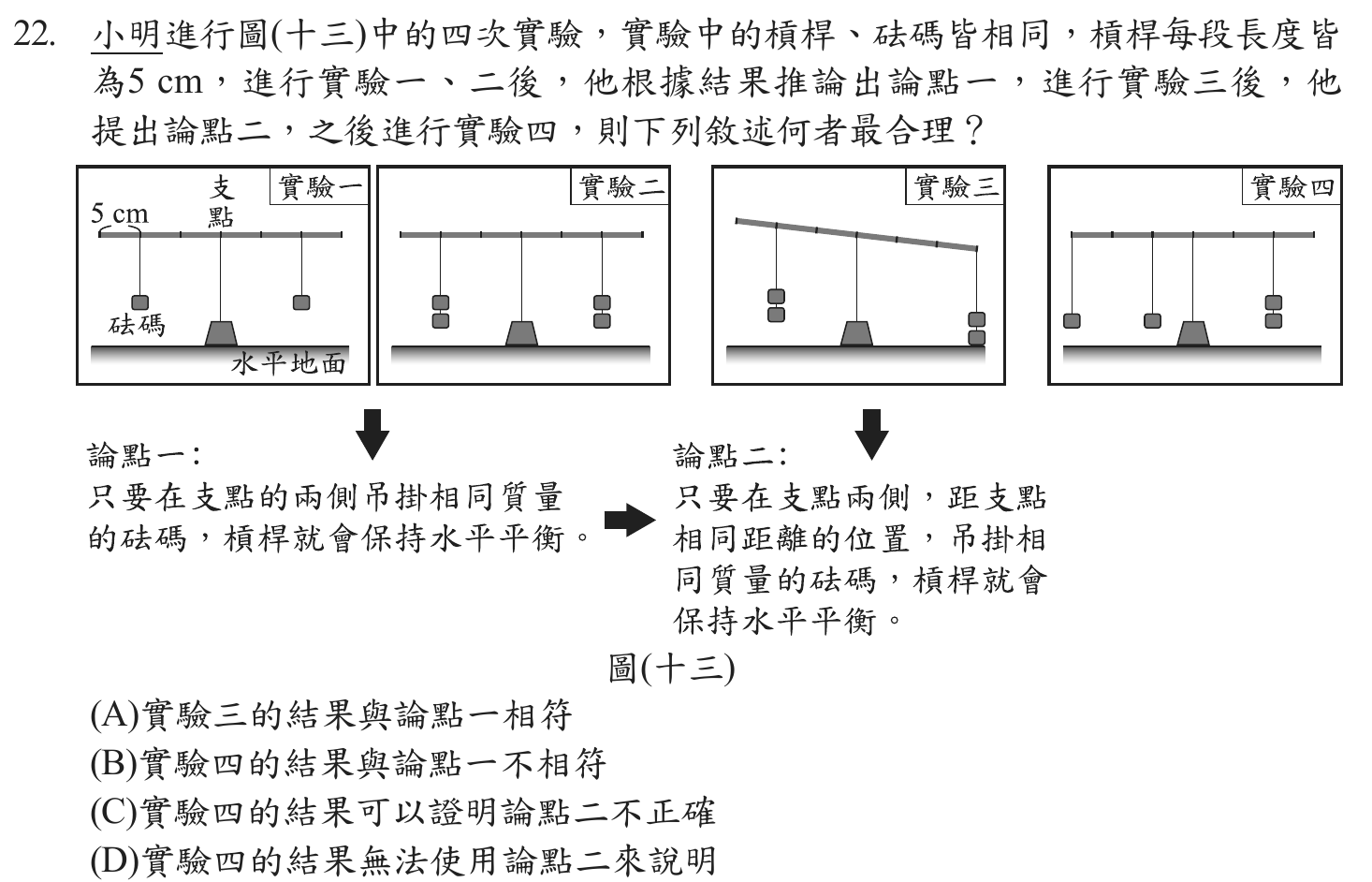
2026 CAP Science, Question 22: a screenshot of the original exam paper, in Chinese.
The four experiment diagrams are told apart only by lines, gray shading and labels. There is no color to lean on.
Review workbooks are fine. They just skip this part
Standard review workbooks cover concepts and calculation well, but graph reading, the largest share of the exam, has no material dedicated to it.
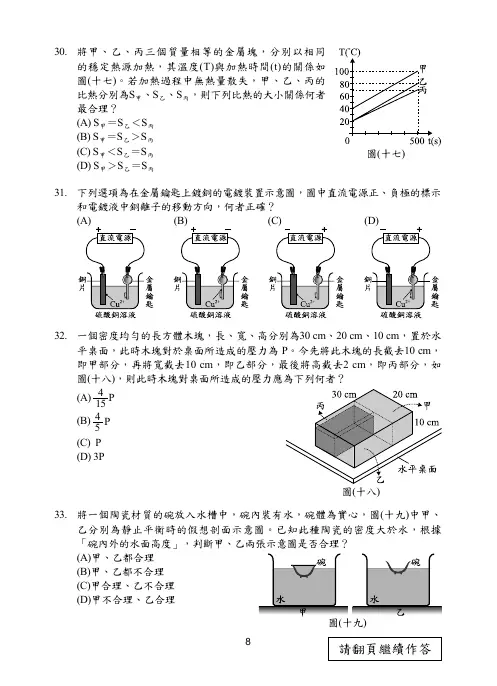
Of the 50 questions on the paper, those testing experimental design and variables
9 questions
Two years running.
In 2022, 2023 and 2024 there were only 4 or 5 a year.
In 2025 the number jumped to 9, and in 2026 it was 9 again.
Once it doubled, it stayed there.
§ 02
Unlock Inquiry · Why nowThe Shift
It is not your imagination. The exam has changed
It is not only the CAP. School midterms and monthly tests are changing too.
The CAP is simply the clearest and easiest to verify: across five years of papers, the shift has a clear starting point.
2024
That year, the four long-passage sets were still about social issues
Box turtle conservation and international treaties
Renewable energy and the energy transition
Air conditioning and household electricity use
Changes in atmospheric CO2
2025–26
All eight long-passage sets became experiments
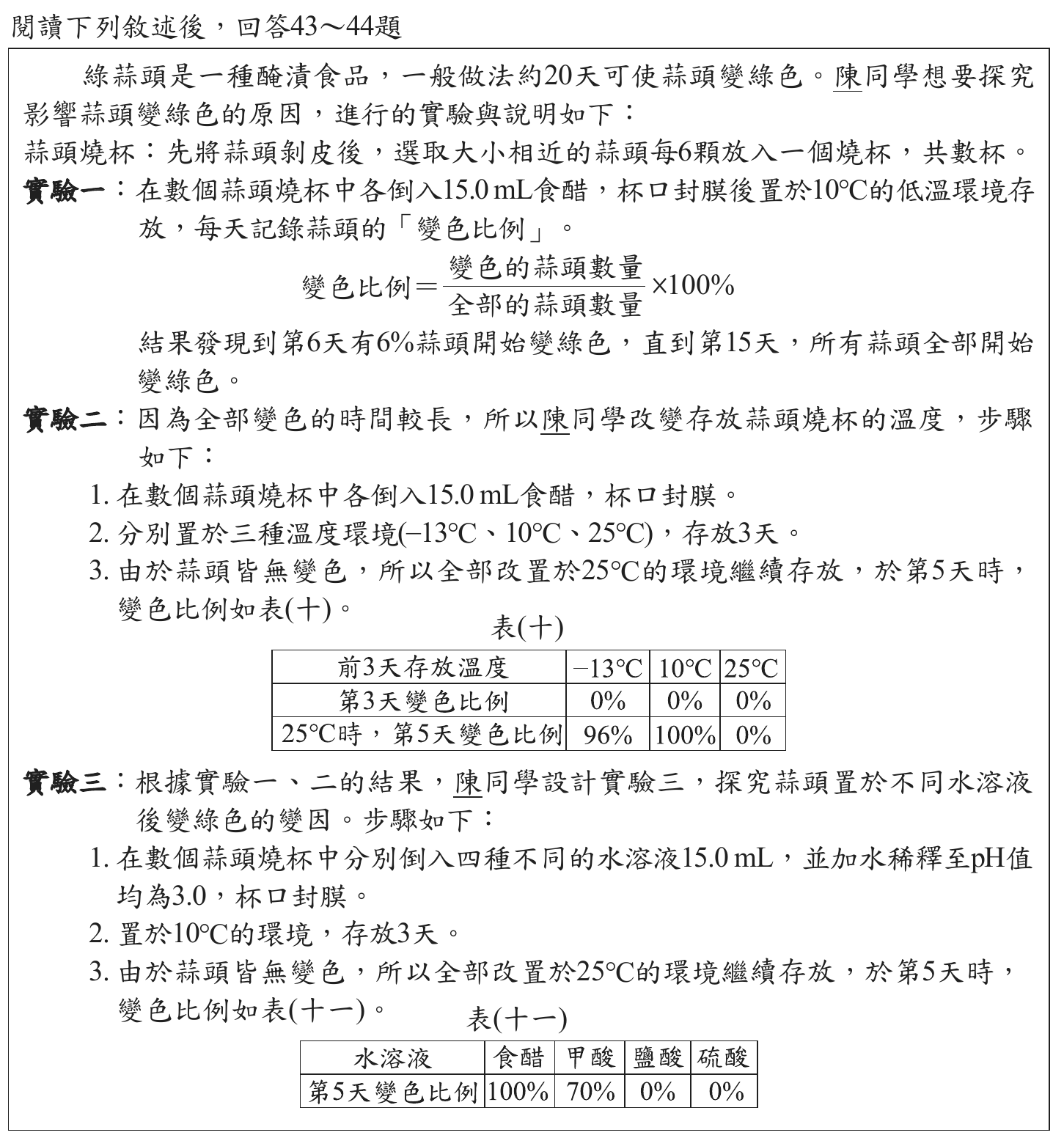
Why garlic turns green (Experiments 1, 2 and 3)
Interpreting a bleeding-time test
A transpiration recording setup and its data
Designing a study of water drops striking quartz plates
Every single one is experimental inquiry
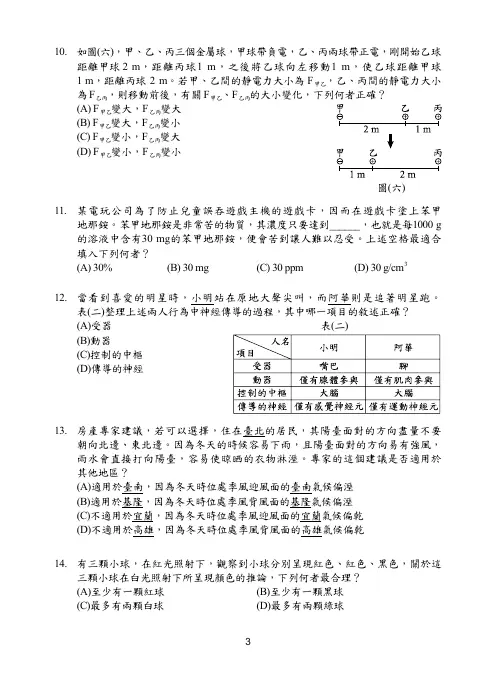
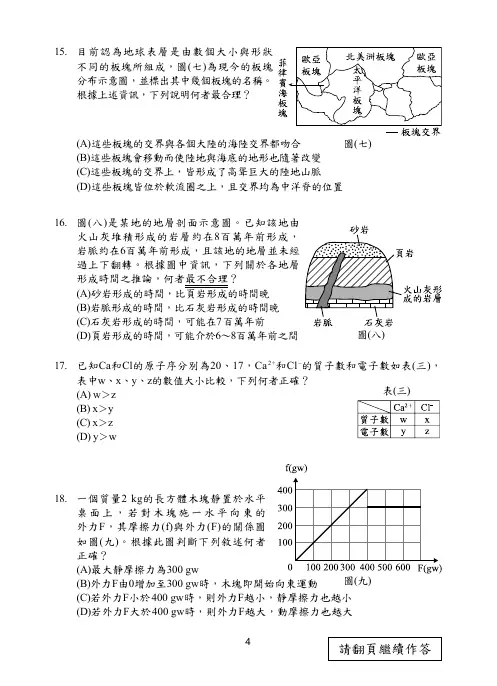
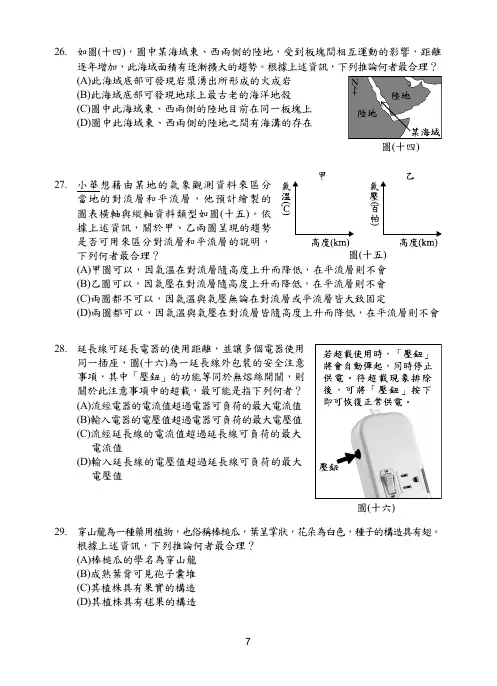
2025 CAP Science, original exam page in Chinese: a full page, every question about experiments.
The shift is deliberate, and it is here to stay
The official assessment framework states it in black and white: "the ability to plan and carry out scientific inquiry."
The early years of a shift are exactly when study materials lag behind the exam. Unlock Inquiry is devoted entirely to this one skill.
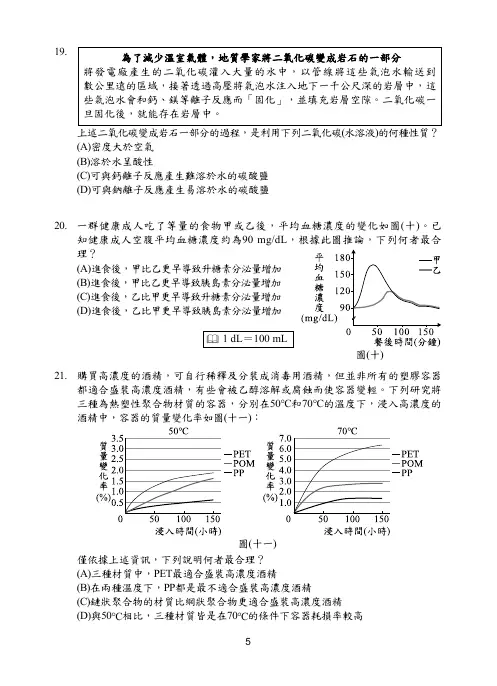
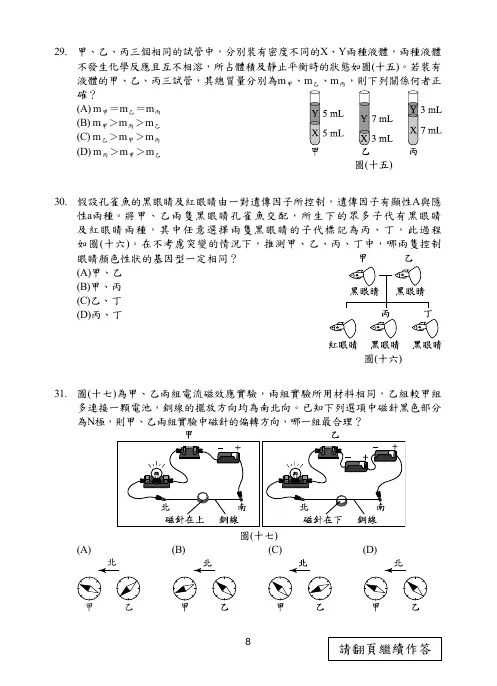
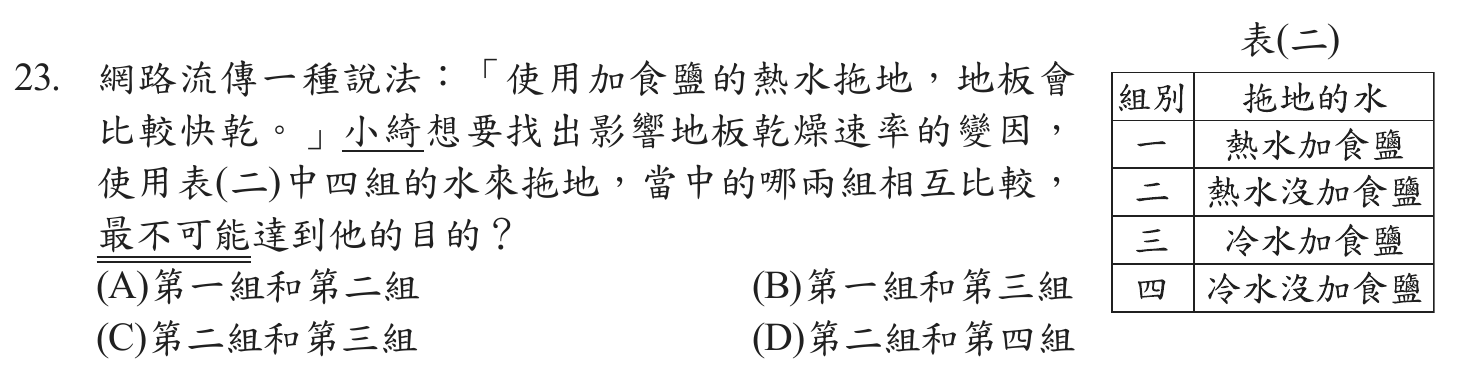
2026, Question 23: which would you choose?
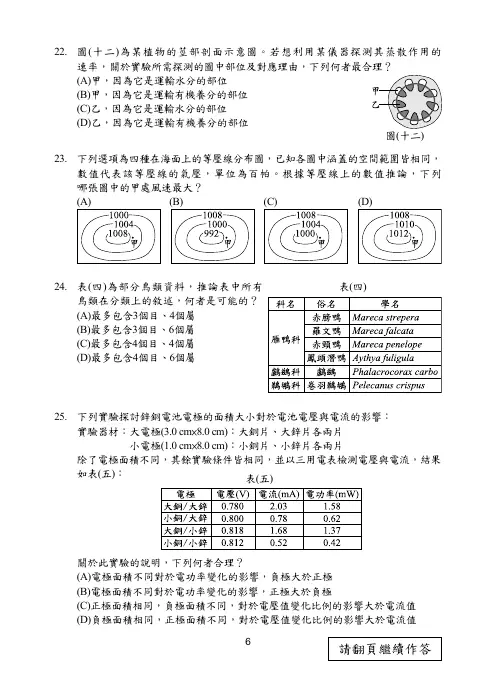
2026 CAP Science, Question 23: a screenshot of the original exam paper, in Chinese. Table 2 lists four groups: (1) hot water with salt, (2) hot water without salt, (3) cold water with salt, (4) cold water without salt. Which two groups, compared with each other, are least able to show what affects drying speed?
Why three in ten students chose D
A fair comparison changes only one condition at a time. Option C changes both water temperature and salt,
so there is no telling which one made the difference. That is why C is the answer.
Three in ten students chose D. Not out of carelessness, but because no one had taught them how to think it through.
How 180,000 students answered (official statistics)
3.82%
5.33%
Correct60.24%
Trap30.51%
(A)Groups 1 and 2
(B)Groups 1 and 3
(C)Groups 2 and 3
(D)Groups 2 and 4
The weakest-performing students only · same trap, option D
That 30.51% is the average across all 180,000 students.
Among the weakest-performing group, the share who fell into the same trap is higher.
30.51%All 180,000 students
→
43.99%"Below Basic" group only, 38,047 students
In this group, more students chose the wrong answer D (43.99%) than the right answer C (26.89%).
The weaker the student, the more likely the trap.
Making sense of unfamiliar science material is one skill. Judging whether an experiment is sound is another.
We gave each its own book so each can be trained in depth, and there are English books too.
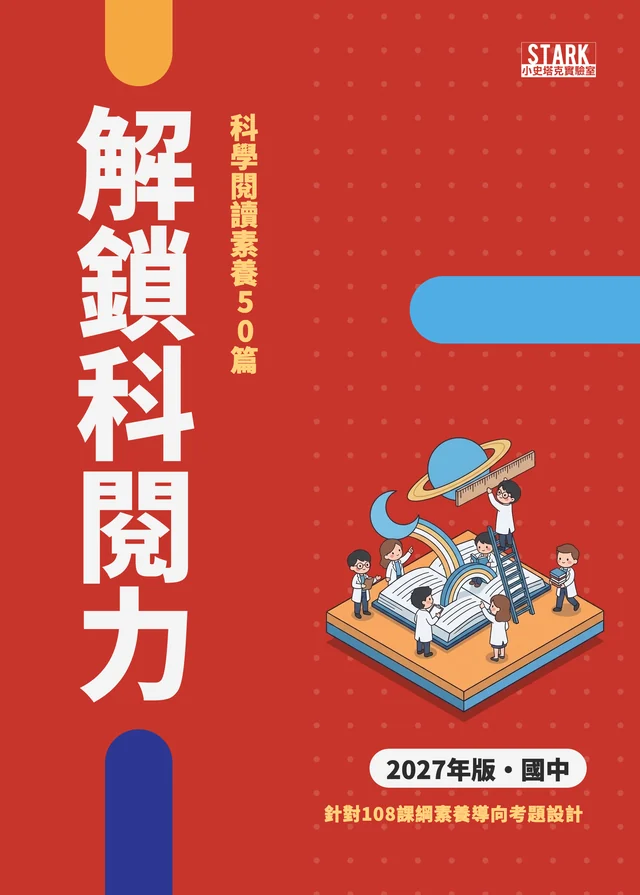
2027 edition cover
Book one
Unlock Science Reading (解鎖科閱力)
Trains understanding
50 long-form science articles, each with 5 questions. Your child learns to pick out the key points of unfamiliar
science material, read its graphs and draw conclusions. Graph reading, 37% of CAP Science, is this book's home ground.
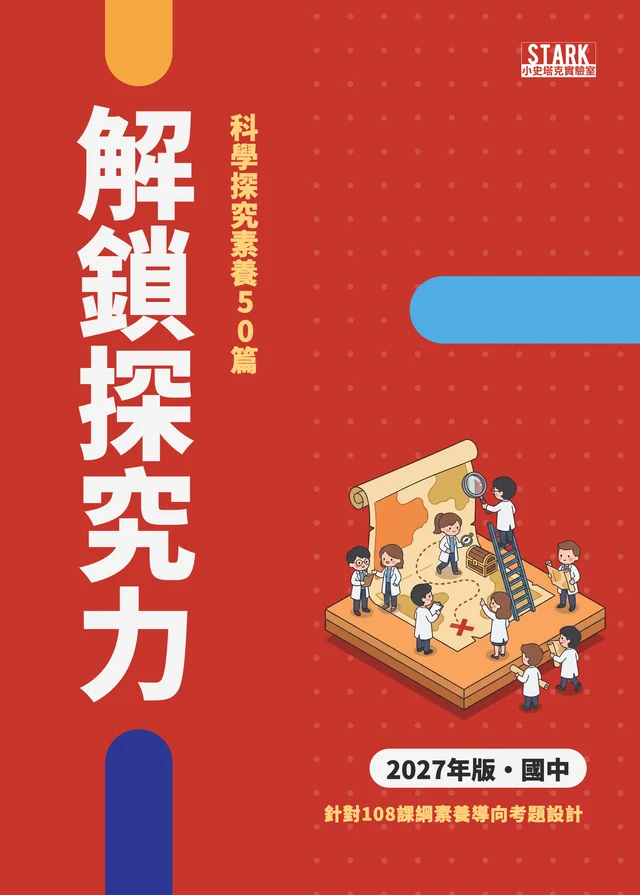
2027 edition cover
Book two
Unlock Inquiry (解鎖探究力)
Trains judgment
The whole book trains one thing: understanding experiments, evaluating designs and weighing evidence.
Variables, control groups, whether a conclusion holds up: the inquiry questions that have grown sharply on the CAP since 2025 map directly onto this book.
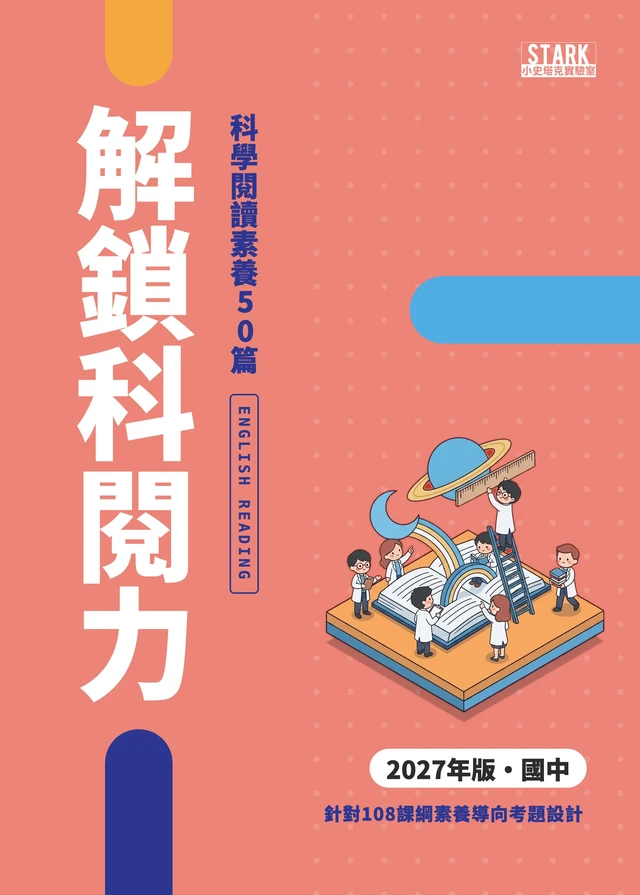
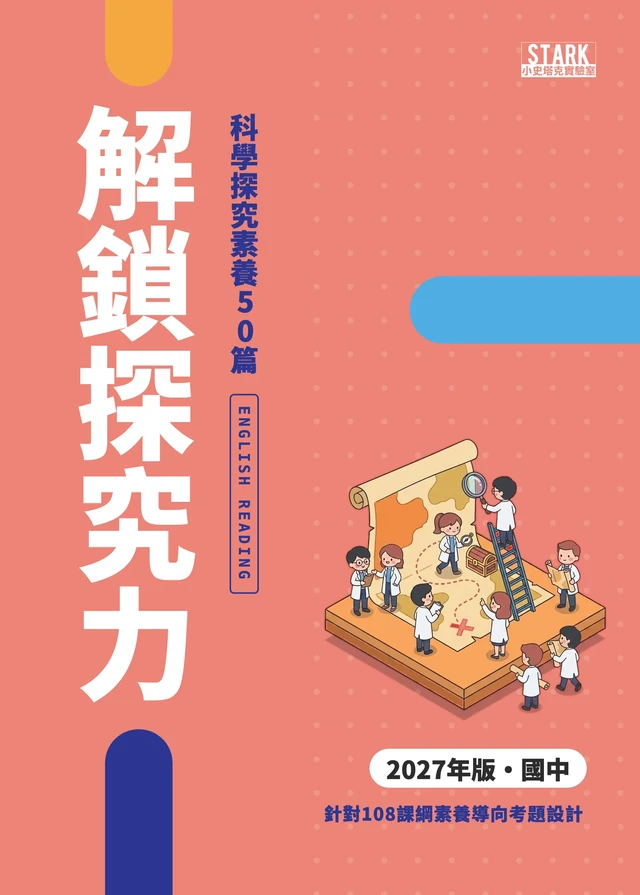
Plus two · English
Science topics, written for English reading
One in five reading sets on the CAP English paper uses science material.
The English books have their own articles and questions, written in English for long-form reading practice; the science gives children a reason to read to the end.
Science for depth, English for breadth: 2 + 2, complete.
No need to buy the full setIf long passages are the sticking point, there is Unlock Science Reading; if experiments and variables are, there is Unlock Inquiry.
Accessible at every levelThe 50 articles begin with short texts, and the first answer in each is right there in the passage, so your child scores first and then climbs.
Useful for school exams tooSchool midterms and monthly tests now often include graph-reading and experiment questions, so the same practice pays off there.
§ 04
Unlock Inquiry · How the traps are builtMisconceptions
Built on national exam datato strengthen what students miss
The national testing center publishes how many students chose each option on every question. That data puts a number on how students go wrong.
41%average wrong-answer rate on variable questionsCAP Science 2024–2026 · 7 questions on experimental variables
Source: Research Center for Psychological and Educational Testing, CAP Science item analyses, 2024 · 2025 · 2026 (published under past papers on the official CAP website; in Chinese). Questions: 2024 Q29; 2025 Q26, Q38, Q43; 2026 Q12, Q23, Q46.
Unlock Inquiry is designed to hit exactly these weak spots
The official data shows exactly how students go wrong. We turn the misconceptions that catch the most students
into the wrong options in our questions, so children fall into these traps at home, not in the exam room.
§ 05
Unlock Science Reading · Home groundSame Layout
Laid out like the real exam
Font size, page layout and the way graphs are drawn all follow the CAP exam paper.
TypeSame size as the exam
LayoutSame layout as the exam
GraphsDrawn like the exam
What they practice is what they will see on exam day
Every day, your child works with the exam's type, the exam's layout and the exam's graphs.
Familiarity means calm on exam day, with all their energy left for the questions.
Copying down the right answer is not a correction. So we built diagnosis into the structure of the questions.
Unlock Science Reading: 5 questions per article, one skill per question
01
Comprehension
The answer is right there in the text, so every article starts with a point on the board.
02
Applying concepts
Taking a principle from the textbook into a situation your child has never seen.
03
Graph & table reading
Reading the relationships a chart shows but never states.
04
Evaluating inquiry
Is the experiment sound? Does the conclusion actually hold up?
05
Open challenge
Pulling ideas together across paragraphs, or explaining the reasoning behind an answer.
Every question is labeled with the skill it trains
A wrong answer points straight to a skill. Missing evaluating-inquiry questions three articles in a row means that skill needs work.
Three articles give you three data points, with no separate test needed.
Unlock Inquiry works the same way: every question maps to one of six inquiry skills.
One scan per article shows where it went wrong
9:41
Answer checkstarklabtw.com
Unlock Science Reading · Unit 07
Coral in a Marine Heatwave
Choose your answers
1Precise reading
2Cause and effect
3Calculating by rule
4Evaluating a claim
5Transfer
This unit
3/ 5 correct
To review
This semester · 14 articles
Precise reading
Cause and effect
Calculating by rule
Evaluating a claim
Transfer
After five answers, you get
Which question was missed
Each question maps to one skill, so a missed question tells you which skill is still shaky.
How your child went wrong
Not just the right answer, but the step where your child most likely got stuck.
The skill that needs the most work right now
Every article adds to the record. After a few, the skill that keeps slipping is plain to see.
Screens are for illustration. The live diagnosis is in Chinese.
Of the reading sets on the CAP Chinese and English papers
17.5%
are built on science material.
Across 40 reading sets each in Chinese and English from 2022 to 2026, about one in six is about scientific research.
§ 07
Why the two books work togetherCross-Subject
These skills reach beyond science
We went through all 80 reading sets on the Chinese and English papers as well. Science has long since spread beyond the science paper.
Chinese · 40 reading sets
15%
use science material
English · 40 reading sets
20%
use science material
How the Chinese paper tests it
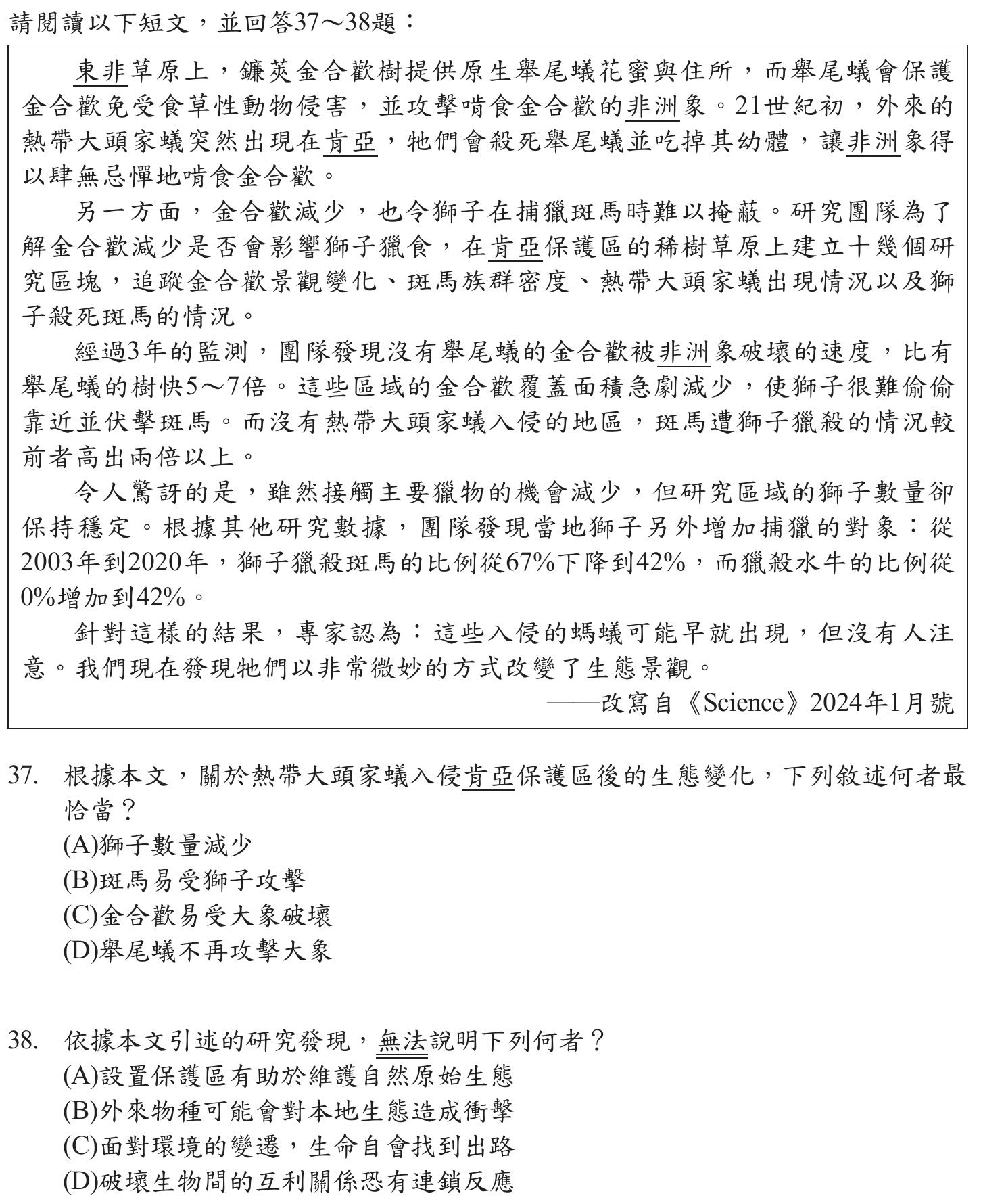
The passage is adapted from an ecology study in Science, and the question asks what the findings cannot support. That is a scientific reasoning question.
2026 CAP Chinese, Questions 37–38: a screenshot of the original exam paper, in Chinese. The passage retells a Science study of invasive ants, elephants and lions in Kenya.
How the English paper tests it
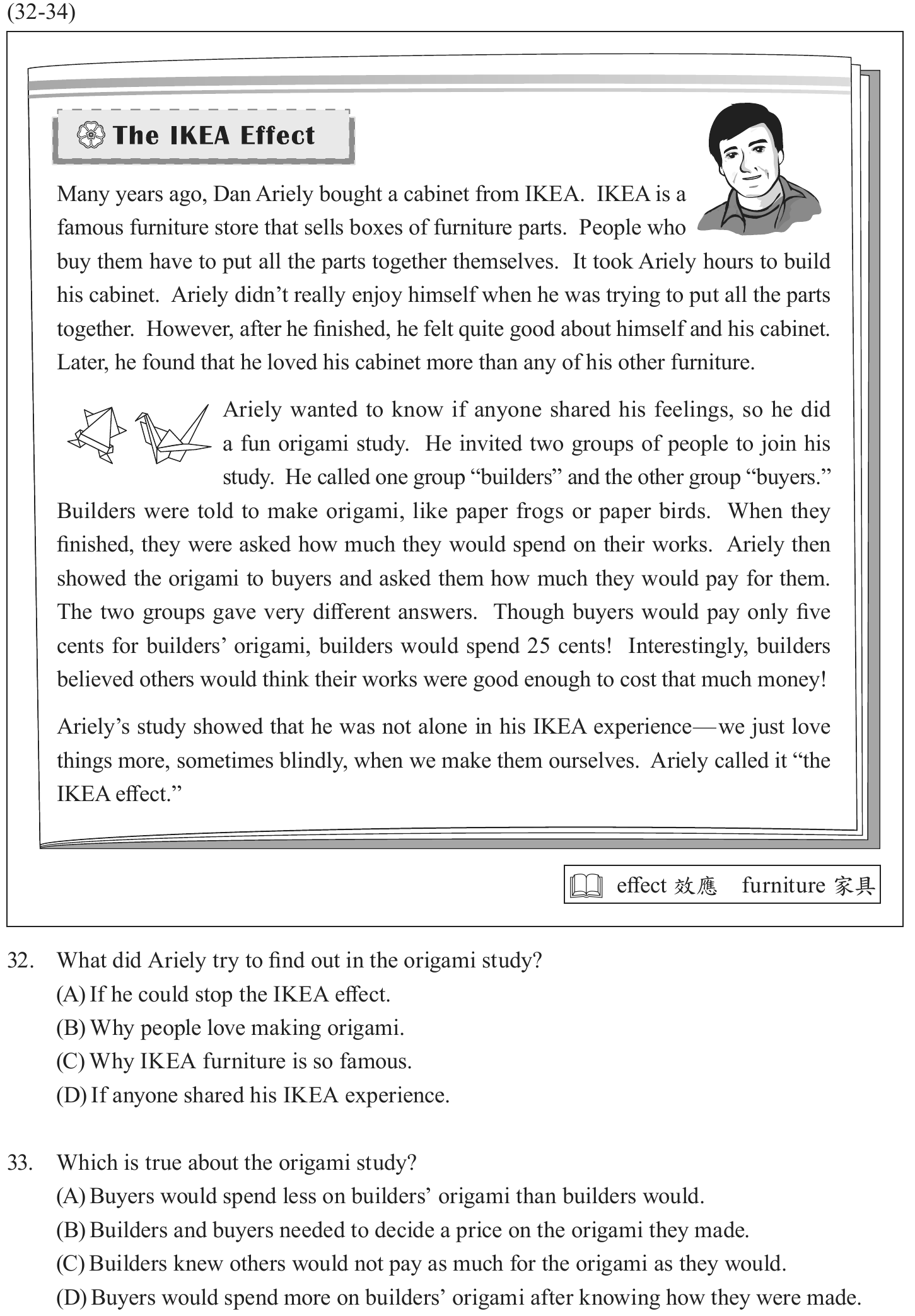
The passage describes a controlled experiment, two groups and one variable, and asks what the study set out to find. That is a scientific inquiry question.
2025 CAP English, Questions 32–34: a screenshot of the original exam paper (passage in English, instructions in Chinese).
One set of skills, three subjects
Unlock Science Reading trains understanding; Unlock Inquiry trains judgment. Science, Chinese and English all test both.
That is why the books are designed as a set, and why we made the English books.
Junior high and senior high editions share one pre-order page (in Traditional Chinese): choose the school level, then the science or English book.
§ 09
SampleSample Pages
Don't take our word for it. Read one
The 2027 editions feature all-new topics. Final content may differ from these samples.
Full samplesFour complete units, ready to printTwo science units and two English units, from Unlock Inquiry and Unlock Science Reading. 8 A4 pagesUnlock Inquiry · Science Can a New Roof Coat Cool a House?Unlock Inquiry · English Phones Off, Lights Out?Unlock Science Reading · Science Coral in a Marine HeatwaveUnlock Science Reading · English When the Sea Gets Too WarmOpen samplesClose samplesPrint all four (PDF)
Unlock Inquiry · ScienceCan a New Roof Coat Cool a House?
Source of the topic
2024 was the hottest year on record (World Meteorological Organization, announced January 2025), and cities worldwide are promoting cool roofs. The experimental data is scenario data written to follow the physics. The pages above are in Chinese.
Skill trained by each question
1.Calculating from a graphWork out the temperature rise per minute from a line graph
2.Explaining a principleUse reflection and absorption of light to explain why a white roof heats up more slowly
3.Inference and eliminationWhen the data looks odd, rule out the plausible-sounding "they just started at different temperatures"
4.Evaluating a claimDecide whether "every house should be covered in foil" goes beyond the evidence
5.Experimental designTurn a new question into a workable comparison experiment
Show answers (worked solutions are in the back of the book)
1.(B) 2.(A) 3.(B) 4.(B) 5.(C)
Unlock Inquiry · EnglishPhones Off, Lights Out?
Source of the topic
From December 2025, Australia requires major social media platforms to keep under-16s from holding accounts. A school newspaper report is paired with a reader's letter, mirroring the two-text reading sets on the CAP English paper. The recommended sleep hours follow the 2016 American Academy of Sleep Medicine consensus (8 to 10 hours a night for ages 13 to 18). The survey data is scenario data.
Skill trained by each question
1.Study designDesign a study that tests both ideas at once
2.Data calculationUse group sizes to find the overall average sleep
3.Cause and effectUse the order of events in diaries to judge which explanation holds up
4.Study designUse a control group to rule out the end of exams
5.Judging evidencePick the data that truly supports the letter writer
Show answers (worked solutions are in the back of the book)
1.(C) 2.(B) 3.(D) 4.(A) 5.(A)
Unlock Science Reading · ScienceCoral in a Marine Heatwave
Source of the topic
The fourth global coral bleaching event, confirmed by the US National Oceanic and Atmospheric Administration (NOAA) in April 2024 and still spreading in 2025. Heat stress is calculated using the definition from NOAA Coral Reef Watch. The pages above are in Chinese.
Skill trained by each question
1.Precise readingTell "exposed to bleaching-level heat" apart from "already bleached"
2.Cause and effectExplain why coral turns white
3.Calculating by ruleAdd up heat stress using the scientists' definition; the wrong options come from the three most common miscalculations
4.Evaluating a claimDecide whether "the water cooled, so the reef has recovered" holds
5.TransferThe same water temperature means different levels of danger in different seas
Show answers (worked solutions are in the back of the book)
1.(B) 2.(C) 3.(B) 4.(D) 5.(A)
Unlock Science Reading · EnglishWhen the Sea Gets Too Warm
Source of the topic
A coral bleaching story, written separately in English rather than translated, paired with a coral diagram, a heat-stress level chart and a dive club notice. The reef area and species share are NOAA estimates.
Skill trained by each question
1.Judging evidenceDecide which idea a new observation calls into doubt
2.InferenceCompare the risks two reefs face next
3.Cause and effectApply the starving idea to a new experiment
4.Data calculationAdd up heat stress in steps and read the level chart
5.Combining informationUse the notice, table and chart together to recalculate and choose
Show answers (worked solutions are in the back of the book)
1.(B) 2.(D) 3.(C) 4.(A) 5.(A)
§ 10
QuestionsFAQ
Questions you might have
QHow are the questions written?
Every question is modeled on the CAP and goes through five checks:
Difficulty is calibrated to the official CAP accuracy and discrimination data, with no trick questions
Each question trains one skill, so it is obvious where a mistake comes from
Graph questions can only be answered by genuinely reading the graph
Wrong options are built from the most common misconceptions, so your child meets each trap at home first and recognizes it on exam day
Worked solutions explain both why the answer is right and why the wrong ones are tempting
QWhy are the questions and graphs in black and white?
Because the CAP paper is black and white.
Students used to reading charts by color often slow down in the exam room
Questions and graphs in the books are deliberately made to look exactly like the exam paper
The way they practice is the way they will answer
QHow does this relate to school exams?
Closely:
School midterms and monthly tests now include more and more graph-reading and experiment questions
The skills these two books build pay off in school exams too
They are not chapter-by-chapter textbook review; they build the skills the CAP and school exams both test
QMy child is still finding their footing. Will these be too hard?
They are designed for that:
The 50 articles start with short texts, and the questions in each one build from easy to hard
Early questions can be answered straight from the text or graph, so your child scores and gains confidence first
Later questions lead step by step into inference and judgment
QWhat data is recorded when my child answers via QR code?
Very little:
Only the answers chosen for each article, linked to the LINE account used
Those answers build into a weak-spot report that shows you which kinds of questions your child gets stuck on
No name, school or phone number is required
QDo I have to buy both books?
Not at all. Each book stands on its own, and together they cover two sides of the same skill set:
Unlock Science Reading: understanding long science texts. A natural starting point for children who struggle to finish long passages
Unlock Inquiry: judging experiments and evidence. A natural starting point for children who lose points on experiment and variable questions
Used together, they cover both reading and judgment
QIs the English book a translation of the science book?
No. They are two different books:
Science: science reading and experiment reasoning in Chinese, aligned with the CAP science test
English: separate articles and questions written in English, on science topics, for long-form English reading
Not a translation and not bilingual side by side; each can be bought on its own or used together
During the Super Early Bird period, buying a science book brings the English book with the same title free, for example science Unlock Science Reading with English Unlock Science Reading
CAP exam questions and item analyses are public materials released by the Research Center for Psychological and Educational Testing, National Taiwan Normal University. STARK Lab has no partnership, license or endorsement from the Center.
The exam has changed. Practice can change with it
Super Early Bird until November 30, 2026: buy the science book and receive the English-subject book with the same title free.